 English
 العربية
 中文語言
中文語言
 हिंदी भाषा
 हespañol
 русский
 Português
 Le français
 Deutsch
 ภาษาไทย
 Português

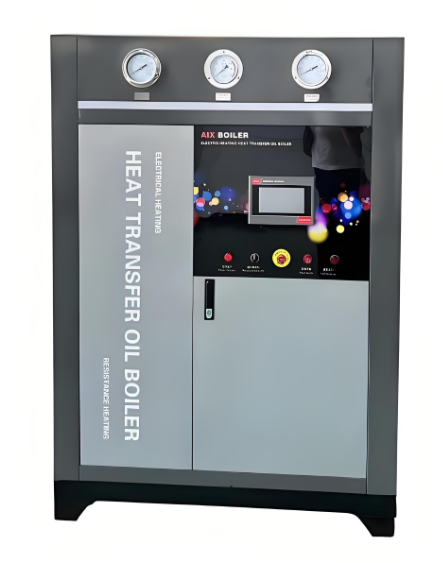
YONGXING Boilers Paired with Resistive Thermal Oil: Redefining Industrial Heating Efficiency
In the realm of industrial heating, where reliability, precision, and scalability are non-negotiable, the combination of YONGXING boilers and resistive thermal oil systems has emerged as a game-changer. YONGXING boilers—renowned for their robust design, modularity, and compatibility with diverse heat sources—form an ideal partnership with resistive thermal oil technology, addressing the evolving needs of industries from manufacturing to energy. Let’s dive into why this pairing stands out, and the key traits of resistive thermal oil that make it a perfect match for YONGXING systems.
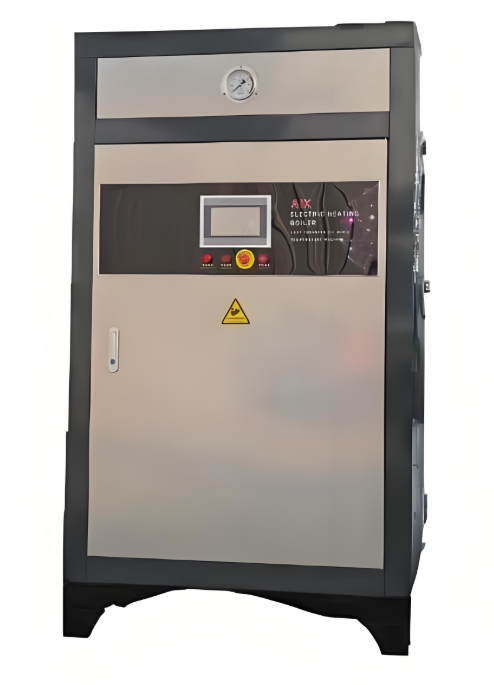
First: What Makes Resistive Thermal Oil a Standout Heat Transfer Solution?
Before exploring its synergy with YONGXING boilers, it’s critical to highlight the core strengths of resistive thermal oil—traits that solve common pain points in industrial heating:
- Superior Temperature Control & Stability
Resistive thermal oil systems rely on electric resistive elements (typically crafted from durable alloys like nickel-chromium) to convert electrical energy directly into heat. Unlike water or steam-based systems (which face boiling limits or pressure risks), thermal oil boasts an extremely high boiling point (often exceeding 300°C) and maintains a consistent, uniform temperature across the entire heating loop. This eliminates hotspots and ensures precise heat delivery—essential for processes like plastic extrusion, pharmaceutical synthesis, or chemical reactor heating, where even small temperature fluctuations can ruin batches.
- Energy Efficiency & Low Emissions
Resistive heating is inherently efficient: it delivers heat on-demand, with minimal energy loss during conversion. When paired with thermal oil (which has excellent heat retention properties), the system reduces idle energy waste—operators can adjust heat output in real time via digital controls, matching demand exactly. Additionally, since the process uses electricity (not fossil fuels like gas or oil), resistive thermal oil systems produce zero on-site emissions, aligning with global sustainability goals and helping facilities meet strict environmental regulations.
- Low Maintenance & Long Lifespan
Thermal oil is inert and non-corrosive, meaning it won’t degrade or damage the internal components of heating systems—including pipes, pumps, or the resistive elements themselves. Unlike water-based systems (which require regular descaling or corrosion treatment), resistive thermal oil setups only need routine checks: monitoring oil viscosity, replacing filters, and inspecting resistive elements for wear. This translates to less downtime, lower maintenance costs, and a longer operational life for the entire heating system.
Why YONGXING Boilers Are the Perfect Partner for Resistive Thermal Oil
YONGXING boilers are engineered to maximize the strengths of modern heat transfer technologies—and resistive thermal oil is no exception. Here’s how this pairing elevates industrial heating performance:
- Modularity for Scalability
YONGXING boilers are designed with modularity in mind: they can be easily expanded or modified to accommodate changing heat demands. Resistive thermal oil systems, too, are highly scalable (additional resistive elements or oil loops can be added without overhauling the entire setup). Together, they create a flexible solution: a small manufacturing plant might start with a single YONGXING boiler and a compact resistive thermal oil loop, then scale up as production grows—no need to replace the entire system.
- Compatibility with Electric Heating
Many YONGXING boiler models are optimized for electric heat sources, making them a natural fit for resistive thermal oil systems. The boiler’s insulated chambers and precision flow controls ensure that heat from the resistive elements is efficiently transferred to the thermal oil, minimizing energy loss and maximizing heat distribution. Unlike some traditional boilers (which are designed for gas or oil), YONGXING systems avoid the need for costly retrofits to integrate electric resistive technology.
- Reliability for Continuous Operation
Industries like automotive manufacturing, food processing, or power generation require 24/7 heating reliability. YONGXING boilers are built with rugged materials (such as high-grade steel) and redundant safety features (like overheat protection and pressure relief valves) to ensure uninterrupted operation. When paired with resistive thermal oil (which has no risk of freezing or boiling), the system becomes a workhorse—capable of maintaining consistent heat even in harsh industrial environments or during peak demand periods.
- Space-Saving Design
YONGXING boilers are compact compared to traditional boiler systems, and resistive thermal oil setups eliminate the need for large water storage tanks or high-pressure steam lines. Together, they take up less floor space—a major advantage for facilities with limited room, allowing for more efficient layout planning and better use of production areas.
Real-World Applications: Where YONGXING + Resistive Thermal Oil Shines
This powerful combination isn’t just theoretical—it’s transforming operations across industries:
- Plastics & Rubber: YONGXING boilers paired with resistive thermal oil provide the precise, high temperatures needed for plastic molding and rubber vulcanization, ensuring consistent product quality.
- Food & Beverage: The system’s clean, emission-free operation makes it ideal for food processing (e.g., heating ovens for baked goods or tanks for liquid pasteurization), complying with strict food safety standards.
- Renewable Energy: In solar or wind power plants, YONGXING-resistive thermal oil systems store excess energy as heat, which can be used to warm facilities or supplement power generation during low-output periods.
Final Thoughts
The partnership between YONGXING boilers and resistive thermal oil isn’t just a trend—it’s a practical, future-forward solution for industrial heating. By combining the YONGXING boiler’s modularity and reliability with the resistive thermal oil’s precision, efficiency, and sustainability, facilities can reduce costs, minimize environmental impact, and ensure consistent performance for years to come. For any industry looking to upgrade its heating system, this pairing is worth a closer look.
Add New Comment