 English
 العربية
 中文語言
中文語言
 हिंदी भाषा
 हespañol
 русский
 Português
 Le français
 Deutsch
 ภาษาไทย
 Português

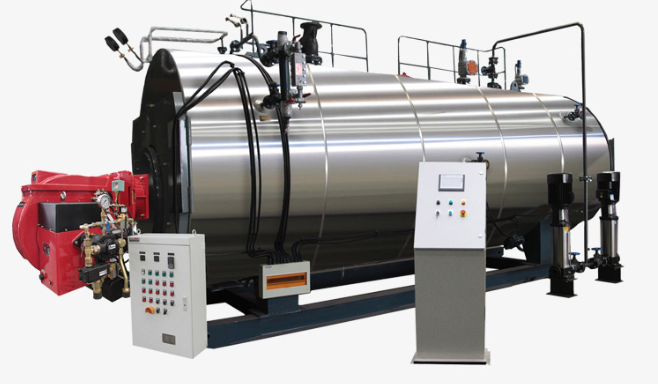
Understanding Common Boiler Parameters
Boilers are essential in various industries, providing heat and steam for processes ranging from power generation to manufacturing. To ensure their efficiency, safety, and longevity, monitoring and maintaining key parameters is critical. Below, we explore the most common boiler parameters, their significance, and how to manage them effectively.
Key Boiler Parameters
1. Pressure
Definition: The force exerted by the steam or water within the boiler.
Normal Range: Varies by boiler type (e.g., 15–300 psi for industrial boilers).
Importance: Proper pressure ensures efficient heat transfer and prevents damage to boiler components.
Management: Regular pressure gauge checks and safety valve testing are essential to avoid overpressure scenarios.
2. Temperature
Definition: The heat level of the water or steam inside the boiler.
Normal Range: Typically 100°C–300°C, depending on the system.
Importance: Monitors the efficiency of heat transfer and prevents overheating or thermal stress.
Management: Use thermocouples or infrared sensors for accurate readings and ensure proper insulation.
3. Water Level
Definition: The amount of water in the boiler relative to its capacity.
Normal Range: Must stay within the safe operating level marked on the gauge glass.
Importance: Insufficient water can lead to overheating, while excess water may cause carryover into steam lines.
Management: Install automatic water level controls and conduct regular inspections.
4. pH Level
Definition: A measure of the acidity or alkalinity of boiler water.
Normal Range: 10.5–11.5 for most systems.
Importance: Prevents corrosion and scale formation on metal surfaces.
Management: Test water chemistry daily and adjust with chemical treatments as needed.
5. Total Dissolved Solids (TDS)
Definition: The concentration of dissolved substances in boiler water.
Normal Range: <3,500 ppm for low-pressure boilers, <1,000 ppm for high-pressure systems.
Importance: High TDS can cause scaling and reduce heat transfer efficiency.
Management: Perform blowdown procedures and use water softeners to maintain optimal levels.
6. Dissolved Oxygen (DO)
Definition: The amount of oxygen dissolved in the boiler water.
Normal Range: <0.007 ppm.
Importance: Excess oxygen leads to corrosion of steel components.
Management: Use oxygen scavengers like sodium sulfite and deaerators to minimize DO.
7. Fuel Consumption
Definition: The rate at which fuel (e.g., natural gas, oil) is used by the boiler.
Normal Range: Depends on boiler size and load; monitored via flow meters.
Importance: Indicates efficiency and helps optimize fuel usage.
Management: Regularly calibrate fuel meters and adjust combustion settings.
Best Practices for Monitoring
Daily Checks: Monitor pH, TDS, and water level using portable test kits or automated sensors.
Weekly Analysis: Test silica, phosphate, and hardness levels to ensure long-term stability.
Continuous Monitoring: Install real-time systems for pressure, temperature, and DO to detect anomalies early.
Conclusion
Maintaining optimal boiler parameters is vital for operational efficiency, safety, and cost-effectiveness. By regularly testing and adjusting these parameters, operators can prevent issues like scaling, corrosion, and unexpected downtime. Implementing a robust monitoring schedule and leveraging modern technology ensures boilers perform reliably for years.
Add New Comment