 English
 العربية
 中文語言
中文語言
 हिंदी भाषा
 हespañol
 русский
 Português
 Le français
 Deutsch
 ภาษาไทย
 Português

1. Introduction
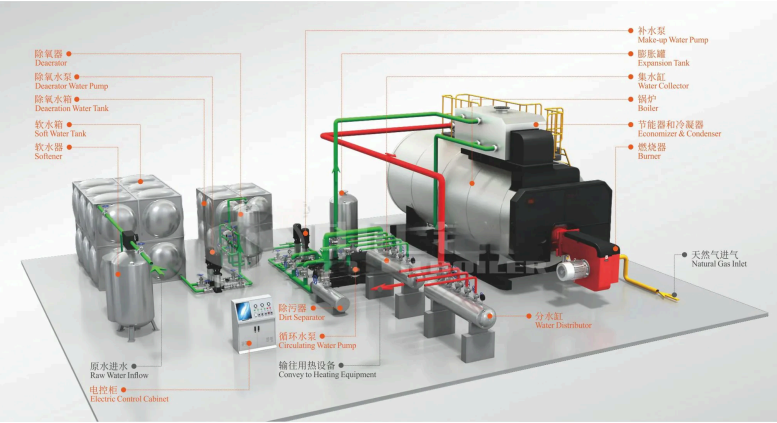
- Hot water is essential for industries and homes, particularly in colder regions.
- Bulk hot water production relies on oil-fired hot water boiler systems.
2. Definition of an Oil-Fired Hot Water Boiler System
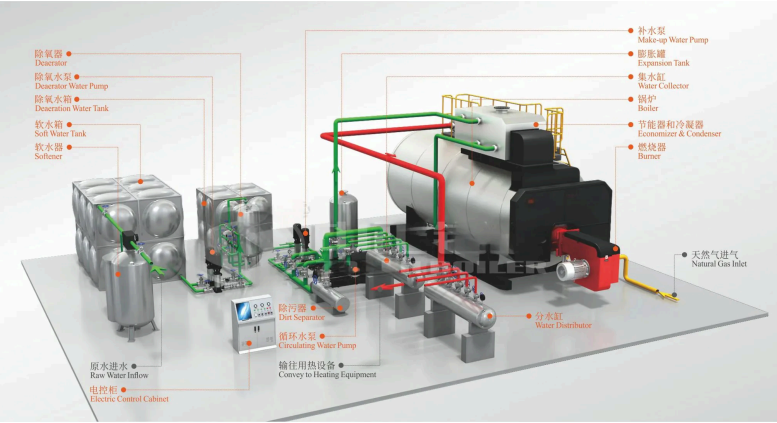
- An industrial hot water boiler is a complex network of vessels within a metal container.
- It utilizes heat from fuel combustion to raise water temperature, with the heated water transported via pipes for industrial purposes.
3. Design of Oil-Fired Hot Water Boilers
- Unlike commercial systems, industrial boilers heat water to 220°F (exceeding the standard boiling point of 212°F) due to higher internal pressure.
- Key Design Features:
- Compact and durable, constructed from anti-corrosive metals such as stainless steel.
- Lightweight insulation with aluminum silicate fiber lining for temperature and pressure resistance.
- Available in circular, vertical, or horizontal shapes.
4. Components of Oil-Fired Hot Water Boilers
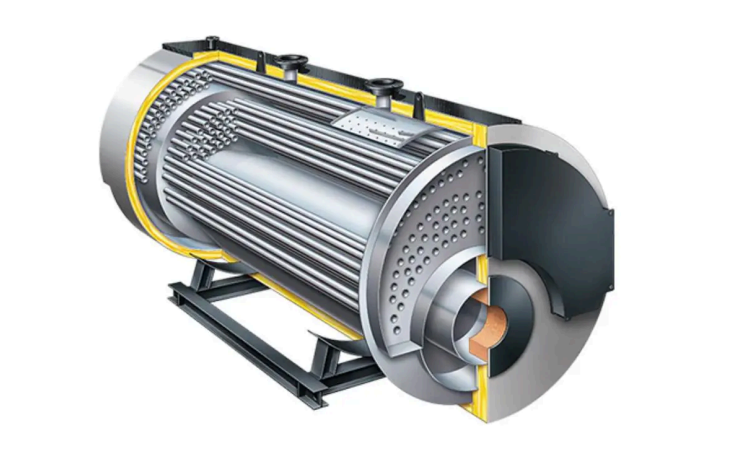
- Core Parts:
- Burner: Burns fuel (oil, gas, or solid) to produce heat.
- Heat Exchanger: Transfers heat from combustion to water.
- Combustion Chamber: A space for continuous fuel burning.
- Control Systems: Automation tools for monitoring temperature, pressure, and issuing alarms.
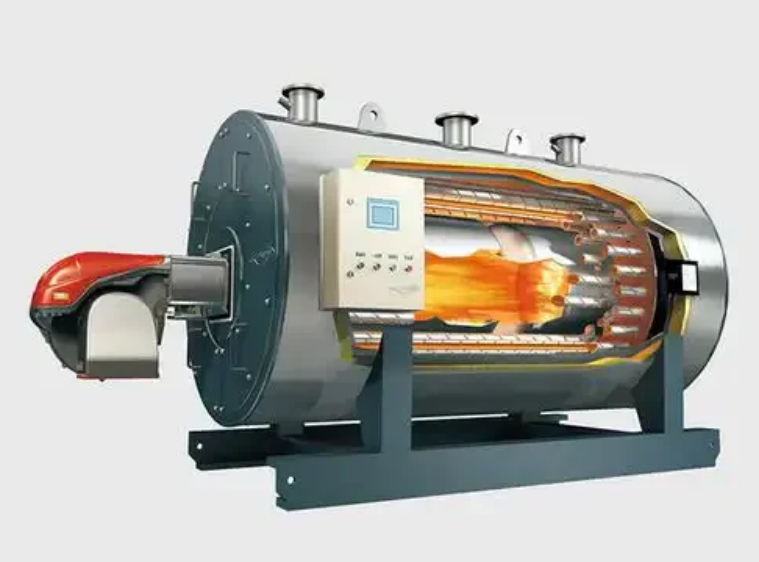
- Optional Accessory Parts:
- Economizer
- Circulation pump
- Aquastat
- Feedwater heater
- Condenser
5. Types of Industrial Hot Water Boilers
- Gas-Fired Boilers
- Fuels: Natural gas, LPG, propane, or butane.
- Most efficient but expensive.
- Oil-Fired Boilers
- Fuels: Light oil, heavy oil, kerosene, red diesel.
- Suitable for areas without piped gas.
- Solid-Fuel Boilers
- Fuels: Wood, coal, agricultural waste.
- Lower efficiency but cost-effective.
- Electric Boilers
- 98% efficiency; needs a stable power supply.
- Vacuum Boilers
- Operates under negative pressure for safety.
- Energy-efficient and versatile for varying temperature requirements.
6. Working Principle of Oil-Fired Hot Water Boilers
- Fuel Intake: Oil is supplied to the combustion chamber.
- Combustion: Heat is generated and transferred through the heat exchanger.
- Water Heating: Water circulates in tubes, absorbing heat.
- Distribution: Hot water is pumped to industrial systems.
7. Advantages of Oil-Fired Hot Water Boilers
- Safety: Features stainless steel construction and pressure-resistant design.
- High Efficiency: Up to 98% when equipped with economizers or condensers.
- Automation: Smart controls for temperature regulation and leak detection.
8. Safety Precautions
- Wear protective gear.
- Regularly check fuel and water levels as well as for leaks.
- Never leave the boiler unattended.
9. Maintenance Steps
- Inspect: Check fuel lines, water supply, and heat surfaces.
- Revise: Have a professional inspection every 2 years.
- Clean: Remove residue and blockages.

10. Cost Range
- Standard boilers: $9,000–$80,000 (depending on capacity).
11. Why Choose YONGXING Boiler?
- With over 40 years of expertise, YONGXING Boiler offers:
- Durable, lightweight boilers with aluminum silicate insulation.
- Custom temperature control (10°C–90°C).
- Microcomputerized systems for precision.
- Contact: sales@yongxingboiler.com; https://www.yongxing-boiler.com
Add New Comment