 English
 العربية
 中文語言
中文語言
 हिंदी भाषा
 हespañol
 русский
 Português
 Le français
 Deutsch
 ภาษาไทย
 Português

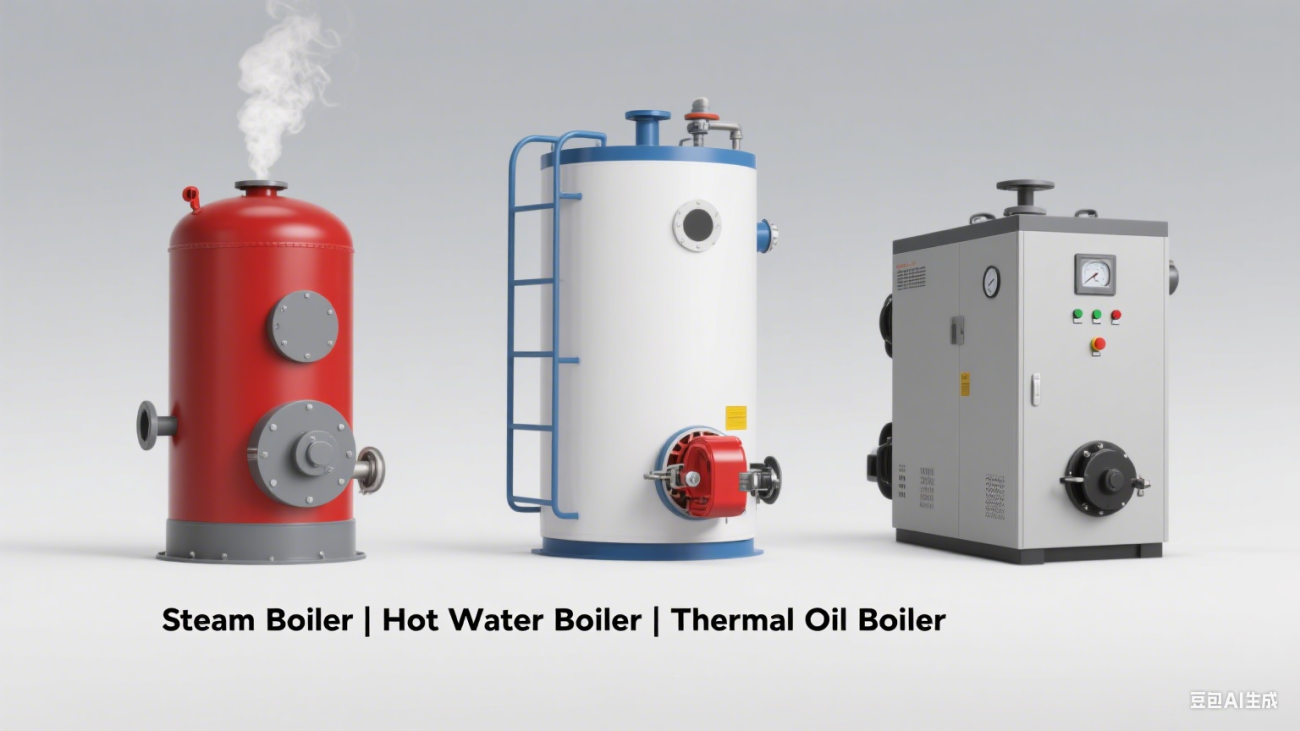
YONGXING Boiler: How to Choose Between Steam Boilers, Hot Water Boilers, and Thermal Oil Boilers
When it comes to industrial heating solutions, selecting the right boiler is critical for optimizing efficiency, reducing energy costs, and ensuring safe operation. YONGXING Boiler, a leader in high-performance heating equipment, offers three primary types of boilers—steam boilers, hot water boilers, and thermal oil boilers—each designed for specific applications. Understanding their key differences and ideal use cases is essential to making an informed decision. In this blog, we’ll break down the unique features of each boiler type and provide guidance on which one best fits your needs.
1. Core Differences: How They Work and Perform
The fundamental distinction between YONGXING Boiler’s steam, hot water, and thermal oil boilers lies in their heat transfer medium and operating principles. Let’s compare them side by side:
Steam Boilers
YONGXING Boiler steam boilers generate saturated or superheated steam by heating water to its boiling point (100°C at atmospheric pressure) and then further increasing its temperature and pressure. The steam is distributed through pipes to heat exchangers, turbines, or direct-use equipment, where it releases latent heat (energy from condensation) to power processes or provide heating.
Key characteristics:
- Operating temperature/pressure: Typically 100–300°C, with pressures ranging from 0.7MPa to 10MPa (depending on the model).
- Heat transfer efficiency: High latent heat output (up to 2,257 kJ/kg for saturated steam) enables rapid heat transfer, making it ideal for applications requiring intense, quick heating.
- Maintenance needs: Regular water treatment (to prevent scaling and corrosion) and steam trap inspections are necessary to maintain performance.
Hot Water Boilers
YONGXING Boiler hot water boilers circulate heated water (not boiled) through a closed-loop system to radiators, fan coils, or process equipment. The water is heated to temperatures between 80–150°C (under low pressure, usually ≤0.4MPa) and retains sensible heat, which is released as it cools down in the system.
Key characteristics:
- Operating temperature/pressure: Lower than steam boilers (80–150°C, ≤0.4MPa), reducing safety risks and maintenance complexity.
- Energy efficiency: Water retains heat longer than steam, minimizing heat loss during circulation. This makes hot water boilers ideal for continuous, low-to-medium temperature heating.
- Installation flexibility: Compact designs and simpler piping (no steam traps or pressure relief valves) allow for easier integration into existing systems.
Thermal Oil Boilers
YONGXING Boiler thermal oil boilers use heat transfer oil (a high-temperature, stable fluid) as the medium instead of water or steam. The oil is heated to temperatures up to 320°C (without boiling, even at atmospheric pressure) and circulated to heat process equipment. Unlike water-based boilers, thermal oil systems do not require pressure, as the oil remains in a liquid state at high temperatures.
Key characteristics:
- Operating temperature/pressure: High temperatures (up to 320°C) at atmospheric pressure, eliminating the need for high-pressure vessels.
- Safety and reliability: No risk of explosion from boiling water or steam, and the oil’s stability reduces the chance of degradation or system failure.
- Process compatibility: Ideal for applications requiring precise, high-temperature control (e.g., chemical processing, plastic molding), as the oil’s temperature can be adjusted more accurately than steam.
2. How to Choose the Right YONGXING Boiler for Your Application
Selecting the best boiler depends on four key factors: required temperature, application type, energy efficiency goals, and safety requirements. Below is a practical guide to match your needs with YONGXING Boiler’s solutions:
Choose a Steam Boiler If:
- You need high temperatures (100–300°C) for industrial processes such as sterilization (in food/pharmaceutical industries), steam turbines (power generation), or cleaning (in manufacturing).
- Your application requires rapid heat transfer (e.g., heating large volumes of materials quickly).
- You have access to a reliable water treatment system (to maintain boiler water quality) and can commit to regular maintenance.
Common use cases: Food processing (pasteurization), pharmaceutical manufacturing (sterilization), power plants, and textile factories.
Choose a Hot Water Boiler If:
- You need low-to-medium temperatures (80–150°C) for space heating (commercial buildings, warehouses), domestic hot water supply, or gentle process heating (e.g., brewing, laundries).
- Energy efficiency is a top priority (e.g., long-term heating needs with minimal heat loss).
- You prefer a low-maintenance, low-pressure system (reducing safety risks and operational costs).
Common use cases: Commercial buildings (offices, hotels), residential complexes, breweries, and laundromats.
Choose a Thermal Oil Boiler If:
- You need high temperatures (150–320°C) without high pressure (e.g., chemical reactions, plastic extrusion, or asphalt heating).
- Your application requires precise temperature control (thermal oil maintains a stable temperature, avoiding fluctuations that can damage processes).
- Safety is critical (e.g., in industries where high-pressure systems pose risks, such as chemical plants or oil refineries).
Common use cases: Chemical processing, plastic and rubber manufacturing, asphalt production, and biomass heating systems.
3. Why Choose YONGXING Boiler?
Regardless of your choice, YONGXING Boiler stands out for its commitment to quality, efficiency, and customization. All YONGXING Boiler models feature:
- High energy efficiency: Advanced combustion systems (e.g., low-nitrogen burners) reduce fuel consumption and carbon emissions, helping you meet sustainability goals.
- Customization: Tailored designs to match your specific temperature, pressure, and capacity requirements (from small commercial units to large industrial boilers).
- Safety and compliance: Compliance with international standards (e.g., ASME, CE) and built-in safety features (pressure relief valves, temperature sensors) to ensure safe operation.
- After-sales support: Comprehensive maintenance services and spare parts supply to minimize downtime and extend boiler lifespan.
Final Thoughts
Selecting the right boiler is a decision that impacts your operational efficiency, costs, and safety. By understanding the differences between YONGXING Boiler’s steam, hot water, and thermal oil boilers—and aligning them with your application’s needs—you can optimize your heating system for long-term success.
If you’re still unsure which boiler is right for you, the YONGXING Boiler team is here to help. Contact our experts for a personalized consultation, and let us design a heating solution that fits your unique requirements.
Add New Comment