 English
 العربية
 中文語言
中文語言
 हिंदी भाषा
 हespañol
 русский
 Português
 Le français
 Deutsch
 ภาษาไทย
 Português

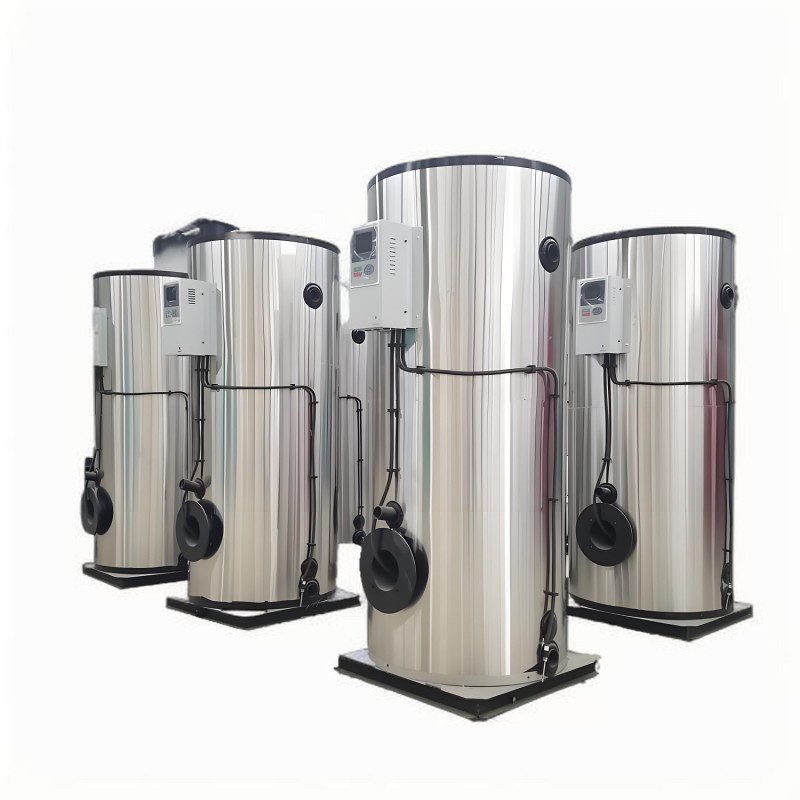
Vertical vs Horizontal Boilers-Key Differences Explained
When choosing a boiler for your home or business, understanding the differences between vertical and horizontal boilers is essential. Both types serve the same purpose—generating heat or hot water—but their design, installation, and performance vary significantly. This blog explores the key distinctions to help you make an informed decision.
What Are Vertical and Horizontal Boilers?
Vertical Boilers: These boilers have a vertical orientation, with the firebox and heat exchanger stacked vertically. They are compact and typically used in smaller spaces or applications with lower heat demands.
Horizontal Boilers: These have a horizontal layout, with components arranged side by side. They are often larger and suited for industrial or high-demand heating systems.
Key Differences Between Vertical and Horizontal Boilers
1. Size and Space Requirements
Vertical Boilers: Their upright design makes them ideal for facilities with limited floor space. They have a smaller footprint, making them suitable for homes, small businesses, or installations where space is at a premium.
Horizontal Boilers: These require more floor space due to their elongated design. They are commonly used in larger industrial settings or buildings with ample room for installation.
2. Efficiency and Performance
Vertical Boilers: Generally designed for lower capacity, they are efficient for smaller-scale heating needs. However, their compact design may limit heat output compared to larger systems.
Horizontal Boilers: Built for higher capacity, they can handle greater heat demands, making them ideal for large commercial or industrial applications. Their larger heat exchanger surfaces often improve efficiency for high-volume use.
3. Installation and Maintenance
Vertical Boilers: Easier to install in tight spaces, such as basements or utility closets. Maintenance can be more challenging due to the stacked design, as accessing components may require working at height.
Horizontal Boilers: Installation is more complex due to their size and weight, often requiring specialized equipment. However, maintenance is typically easier, as components are more accessible along the horizontal layout.
4. Cost
Vertical Boilers: Generally less expensive upfront due to their smaller size and simpler design. They are a cost-effective choice for residential or light commercial use.
Horizontal Boilers: Higher initial costs due to their larger size and capacity. However, their efficiency in high-demand settings can lead to long-term energy savings.
5. Applications
Vertical Boilers: Common in homes, small offices, or low-pressure steam applications. They are popular in space-constrained environments like apartments or small workshops.
Horizontal Boilers: Preferred in industries, large commercial buildings, or power plants where high heat output or steam production is required.
6. Durability and Lifespan
Vertical Boilers: Their simpler design often results in a robust system, but they may wear faster under heavy use due to limited capacity.
Horizontal Boilers: Built for heavy-duty applications, they are designed for durability and can withstand prolonged, high-intensity operation.
Pros and Cons at a Glance
Feature | Vertical Boiler | Horizontal Boiler |
|---|---|---|
Space | Compact, small footprint | Larger footprint, more space required |
Efficiency | Good for small-scale use | Higher efficiency for large-scale use |
Installation | Easier in tight spaces | More complex, needs more room |
Cost | Lower upfront cost | Higher upfront cost, potential long-term savings |
Applications | Homes, small businesses | Industrial, large commercial buildings |
Maintenance | Can be harder to access components | Easier access to components |
Which Boiler Is Right for You?
Choosing between a vertical and horizontal boiler depends on your specific needs:
Choose a Vertical Boiler if you have limited space, need a cost-effective solution, or require heating for a smaller building.
Choose a Horizontal Boiler if you need high heat output, have ample installation space, or are operating in an industrial or large commercial setting.
Final Thoughts
Both vertical and horizontal boilers have unique strengths, making them suitable for different applications. By considering factors like space, budget, and heating demands, you can select the boiler that best fits your needs. Always consult with a professional heating engineer to ensure proper sizing, installation, and maintenance for optimal performance and safety.
Add New Comment