 English
 العربية
 中文語言
中文語言
 हिंदी भाषा
 हespañol
 русский
 Português
 Le français
 Deutsch
 ภาษาไทย
 Português

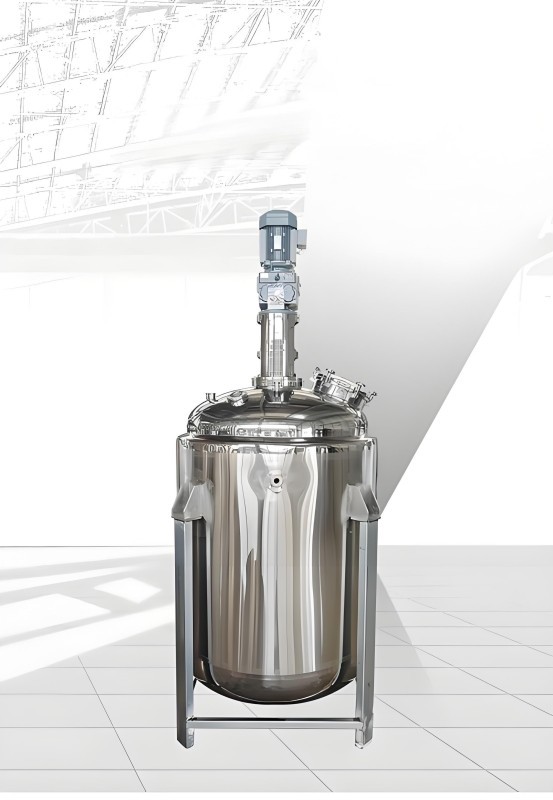
Introduction to Reaction Vessels
Reaction vessels, also known as reactors, are essential equipment in industries ranging from chemical manufacturing to pharmaceuticals, food processing, and beyond. These specialized containers are designed to facilitate chemical reactions under controlled conditions, ensuring safety, efficiency, and consistent results. This blog provides an overview of reaction vessels, their types, components, and applications.
What Is a Reaction Vessel?
A reaction vessel is a container where chemical or biochemical reactions take place. It is engineered to handle specific conditions such as high pressure, extreme temperatures, or corrosive substances. By controlling variables like temperature, pressure, and mixing, reaction vessels ensure reactions occur optimally, whether for producing chemicals, synthesizing drugs, or processing food.
Types of Reaction Vessels
Reaction vessels come in various designs, each suited to specific applications. Common types include:
Batch Reactors:
Used for reactions where all reactants are added at once, and the reaction proceeds over time.
Ideal for small-scale production or processes requiring precise control, such as in pharmaceuticals.
Example: Producing specialty chemicals in small batches.
Continuous Stirred-Tank Reactors (CSTR):
Reactants are continuously fed into the vessel, and products are removed simultaneously.
Suitable for large-scale, steady-state processes, like in petrochemical industries.
Example: Manufacturing large quantities of ammonia.
Plug Flow Reactors (PFR):
Reactants flow through a tubular vessel, reacting as they move.
Best for reactions requiring high conversion rates, such as in gas-phase processes.
Example: Producing ethylene in the petrochemical industry.
Jacketed Reactors:
Feature an outer jacket for heating or cooling fluids to regulate temperature.
Common in processes requiring strict temperature control, like polymerization.
Example: Synthesizing polymers for plastics.
High-Pressure Reactors:
Designed to withstand extreme pressures, often used in hydrogenation or ammonia synthesis.
Equipped with robust materials and safety features.
Example: Producing synthetic fuels.
Key Components of a Reaction Vessel
A typical reaction vessel includes several critical components to ensure safe and efficient operation:
Vessel Body: The main container, made from materials like stainless steel, glass, or alloys to resist corrosion and withstand reaction conditions.
Agitator: A mixing device (e.g., impeller or stirrer) to ensure uniform reaction conditions and prevent settling.
Heating/Cooling System: Jackets, coils, or external heat exchangers to control temperature.
Inlets and Outlets: Ports for adding reactants, removing products, or sampling.
Pressure and Temperature Sensors: Instruments to monitor and control reaction conditions.
Safety Features: Pressure relief valves, rupture discs, or emergency shut-off systems to prevent accidents.
Applications of Reaction Vessels
Reaction vessels are used across diverse industries, including:
Pharmaceuticals: Synthesizing active pharmaceutical ingredients (APIs) under sterile and controlled conditions.
Chemical Manufacturing: Producing fertilizers, acids, or specialty chemicals.
Food and Beverage: Fermenting products like beer, yogurt, or enzymes.
Petrochemicals: Refining crude oil or producing synthetic fuels.
Biotechnology: Cultivating microorganisms or producing biofuels.
Benefits of Using Reaction Vessels
Precision Control: Allows precise management of temperature, pressure, and mixing for consistent results.
Safety: Built-in safety features minimize risks associated with hazardous reactions.
Versatility: Can be customized for specific reactions, from small-scale lab experiments to industrial production.
Efficiency: Optimizes reaction conditions to reduce waste and improve yield.
Considerations When Choosing a Reaction Vessel
When selecting a reaction vessel, consider:
Material Compatibility: Ensure the vessel material is resistant to the chemicals involved.
Capacity: Match the vessel size to your production needs.
Operating Conditions: Verify the vessel can handle the required temperature and pressure ranges.
Agitation Requirements: Choose an appropriate mixing system for uniform reaction conditions.
Regulatory Compliance: Ensure the vessel meets industry standards, especially for pharmaceuticals or food processing.
Maintenance Tips for Reaction Vessels
To ensure longevity and performance:
Regular Cleaning: Prevent contamination by cleaning after each use, especially in pharmaceutical or food applications.
Inspection: Check for corrosion, leaks, or wear in seals and gaskets.
Calibration: Regularly calibrate sensors to ensure accurate monitoring.
Professional Servicing: Schedule periodic maintenance by certified technicians to address complex components.
Final Thoughts
Reaction vessels are the backbone of many industrial processes, enabling the safe and efficient execution of chemical reactions. By understanding their types, components, and applications, you can select the right reactor for your needs and ensure optimal performance. Whether you’re in a laboratory or a large-scale production facility, investing in a high-quality reaction vessel and maintaining it properly will drive success in your operations.
Add New Comment