 English
 العربية
 中文語言
中文語言
 हिंदी भाषा
 हespañol
 русский
 Português
 Le français
 Deutsch
 ภาษาไทย
 Português

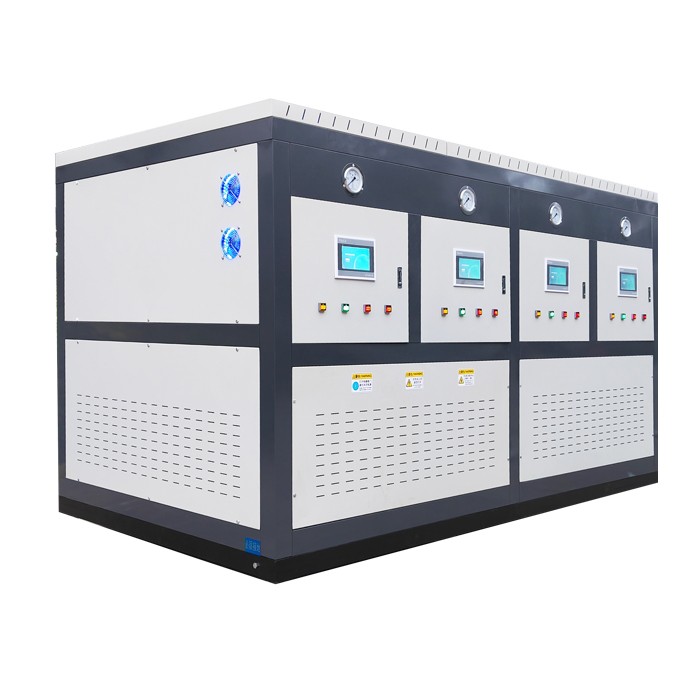
Industrial Resistance Boilers: Efficient, Reliable Heating for Manufacturing & Facilities
In industrial settings—from factories to warehouses—consistent, high-performance heating is critical for operations, equipment protection, and worker comfort. While traditional industrial heating systems (like gas-fired boilers or steam generators) have long been used, industrial resistance boilers are gaining traction for their simplicity, safety, and ability to meet heavy-duty demands. Below, we break down their key traits, benefits, and ideal industrial uses.
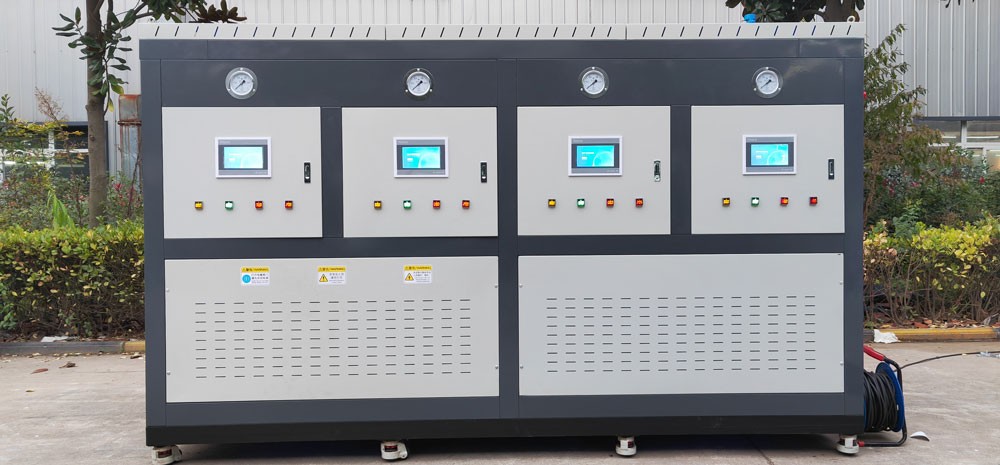
What Is an Industrial Resistance Boiler?
Industrial resistance boilers operate on the same core principle as residential models—converting electricity to heat via resistance—but are engineered for heavy use. They use robust heating elements (often made of durable alloys) to warm large volumes of heat-transfer fluid (water, glycol, or oil). This heated fluid is then circulated through industrial pipes, radiators, or process heating systems to maintain consistent temperatures in large spaces or power manufacturing processes.
No combustion, no exhaust, and no fossil fuel dependency—making them a clean option for facilities aiming to reduce emissions.
Key Benefits for Industrial Use
1. High Reliability & Consistent Performance
Industrial operations can’t afford downtime. These boilers have fewer moving parts than gas or oil systems, reducing mechanical failure risks. They deliver steady heat output (even at high capacities) and perform reliably in extreme temperatures—critical for cold-storage facilities or outdoor industrial sites.
2. Energy Efficiency & Cost Savings
Nearly 100% of electricity is converted to usable heat, outperforming gas boilers (which lose 15-25% of energy via exhaust). For facilities with on-site renewable energy (solar, wind), this efficiency cuts grid reliance and lowers long-term energy costs. They also avoid fuel storage/transport costs associated with gas/oil systems.
3. Safety & Compliance
No fuel combustion means zero carbon monoxide (CO) leaks or fire hazards—essential for facilities with strict safety standards (e.g., food processing, chemical plants). They also eliminate the need for fuel storage tanks, reducing environmental compliance risks (e.g., spillage, emissions regulations).
4. Easy Scalability & Low Maintenance
Industrial resistance boilers come in modular designs, so facilities can add units as heating needs grow (ideal for expanding factories). Maintenance is minimal: no burners, fuel lines, or chimneys to service. Routine checks (heating elements, fluid levels, pumps) are quick and affordable, minimizing operational disruptions.
Ideal Industrial Applications
- Manufacturing plants: Heat for assembly lines, equipment preheating, or product curing (e.g., automotive, plastics).
- Cold-storage facilities: Maintain consistent temperatures for food/pharmaceutical storage.
- Warehouses & large facilities: Warm expansive spaces efficiently.
- Process industries: Provide controlled heat for chemical reactions, water treatment, or textile production.
Tips for Industrial Use
- Pair with industrial-grade smart controls to monitor heat output and reduce energy waste.
- Use high-quality heat-transfer fluids to extend boiler lifespan.
- Schedule regular professional maintenance to handle heavy-duty wear.
Final Thoughts
Industrial resistance boilers offer a reliable, efficient, and safe heating solution for modern facilities. Whether you’re looking to cut emissions, reduce downtime, or lower costs, they’re a practical choice for industrial heating needs.
Have experience with industrial resistance boilers? Share your insights in the comments!
Add New Comment