 English
 العربية
 中文語言
中文語言
 हिंदी भाषा
 हespañol
 русский
 Português
 Le français
 Deutsch
 ภาษาไทย
 Português

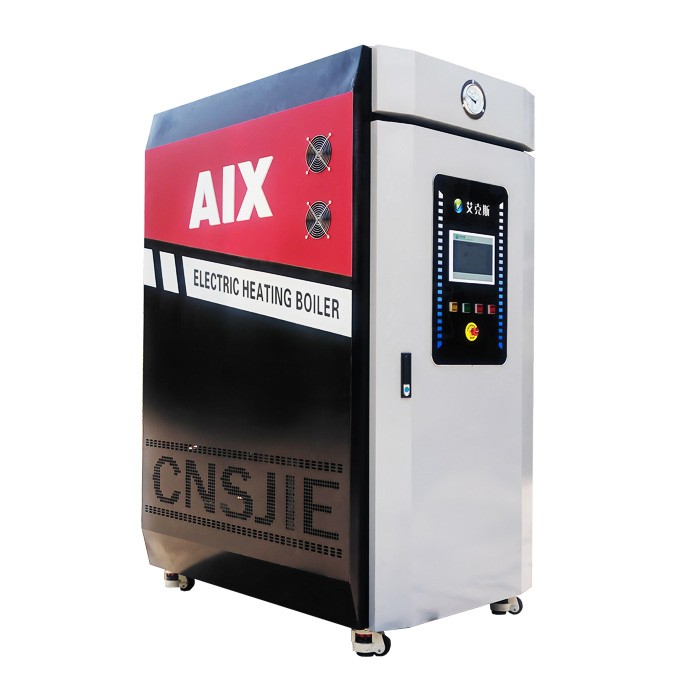
Industrial Electromagnetic Boilers: High-Efficiency Heating for Heavy-Duty Industrial Needs
In industrial environments—from manufacturing plants to processing facilities—reliable, high-performance heating is vital for keeping operations running smoothly, protecting equipment, and ensuring product quality. While traditional industrial heating systems like gas-fired or resistance boilers have been widely used, industrial electromagnetic boilers are emerging as a superior choice, thanks to their exceptional efficiency, fast heating, and durability. Below, we’ll explore their key features, benefits, and ideal industrial applications.
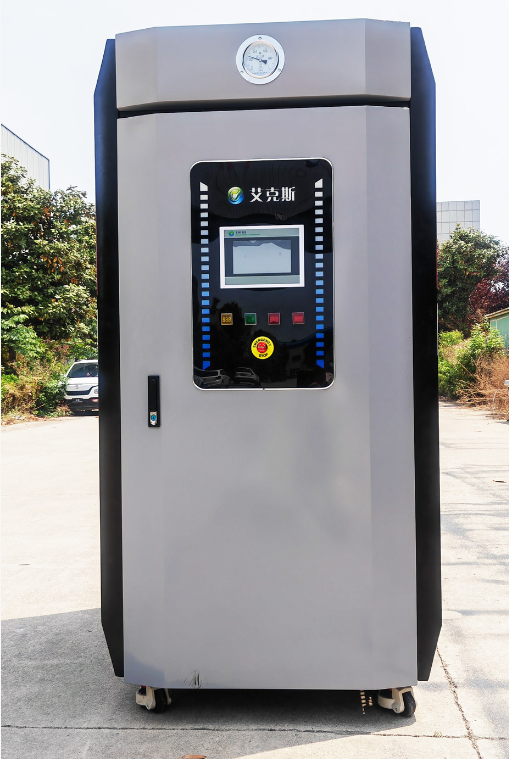
What Is an Industrial Electromagnetic Boiler?
Industrial electromagnetic boilers operate on the principle of electromagnetic induction. Unlike resistance boilers that generate heat via electrical resistance in heating elements, these boilers use an electromagnetic coil to create a magnetic field. When a conductive metal (the boiler’s heat exchanger) is exposed to this field, eddy currents are induced within the metal, generating heat directly. This heat then transfers to the heat-transfer fluid (water, oil, or glycol), which circulates through industrial pipelines, process equipment, or heating systems to meet industrial heating demands.
No open flames, no heating element wear, and minimal heat loss—making them a clean, low-maintenance option for industrial use.
Key Benefits for Industrial Use
1. Exceptional Energy Efficiency
Industrial electromagnetic boilers boast energy efficiency rates of 95% or higher. Since heat is generated directly in the heat exchanger (no intermediate heating elements), there’s almost no heat loss during the energy conversion process. This outperforms gas-fired boilers (typically 80-85% efficient) and even traditional resistance boilers (around 90-92% efficient). For industrial facilities with high heating demands, this translates to significant energy savings and lower utility costs over time.
2. Fast Heating & Rapid Response
Time is critical in industrial operations, and electromagnetic boilers deliver quick results. They can reach target temperatures in a fraction of the time compared to gas or resistance boilers—often within minutes. This rapid heating allows for faster startup of production processes, reduces downtime during system adjustments, and ensures prompt response to sudden changes in heating requirements (e.g., peak production periods).
3. Durable & Low-Maintenance
The absence of heating elements (which are prone to corrosion, scaling, and wear in industrial settings) extends the boiler’s lifespan. The electromagnetic coil and heat exchanger are built to withstand heavy-duty use, high temperatures, and harsh industrial fluids. Maintenance needs are minimal: no element replacement, no fuel line cleaning, and only routine checks of the coil, fluid levels, and circulation system. This reduces maintenance costs and minimizes operational disruptions.
4. Safety & Environmental Friendliness
With no fuel combustion, industrial electromagnetic boilers eliminate risks of gas leaks, carbon monoxide emissions, or fire hazards—critical for facilities with strict safety protocols (e.g., food processing, chemical plants). They also produce zero exhaust gases, aligning with industrial sustainability goals and reducing compliance burdens related to emissions regulations. Additionally, their compact design saves floor space, a valuable asset in crowded industrial facilities.
Ideal Industrial Applications
- Manufacturing: Heating for metal processing, plastic molding, and assembly line equipment preheating.
- Chemical & Pharmaceutical Processing: Precise temperature control for chemical reactions, solution heating, and sterile production environments.
- Food & Beverage Industry: Heating for sterilization, pasteurization, and food processing steps (e.g., brewing, dairy production).
- Power Plants & Heavy Industry: Auxiliary heating for pipelines, tanks, and equipment to prevent freezing or maintain operational temperatures.
Tips for Optimal Industrial Use
- Pair with smart control systems: Industrial-grade programmable controls help monitor and adjust heating output in real time, optimizing efficiency and matching production needs.
- Use high-quality heat-transfer fluids: Choose fluids that resist scaling and corrosion to protect the heat exchanger and extend the boiler’s life.
- Ensure proper installation: Work with professionals to ensure the boiler is sized correctly for your facility’s heating load and connected to compatible industrial systems.
Final Thoughts
Industrial electromagnetic boilers offer a powerful combination of efficiency, speed, and durability that meets the rigorous demands of industrial operations. Whether you’re looking to cut energy costs, reduce downtime, or enhance safety, they’re a smart investment for modern industrial facilities.
Have experience with industrial electromagnetic boilers? Share your insights in the comments below!
Add New Comment