 English
 العربية
 中文語言
中文語言
 हिंदी भाषा
 हespañol
 русский
 Português
 Le français
 Deutsch
 ภาษาไทย
 Português

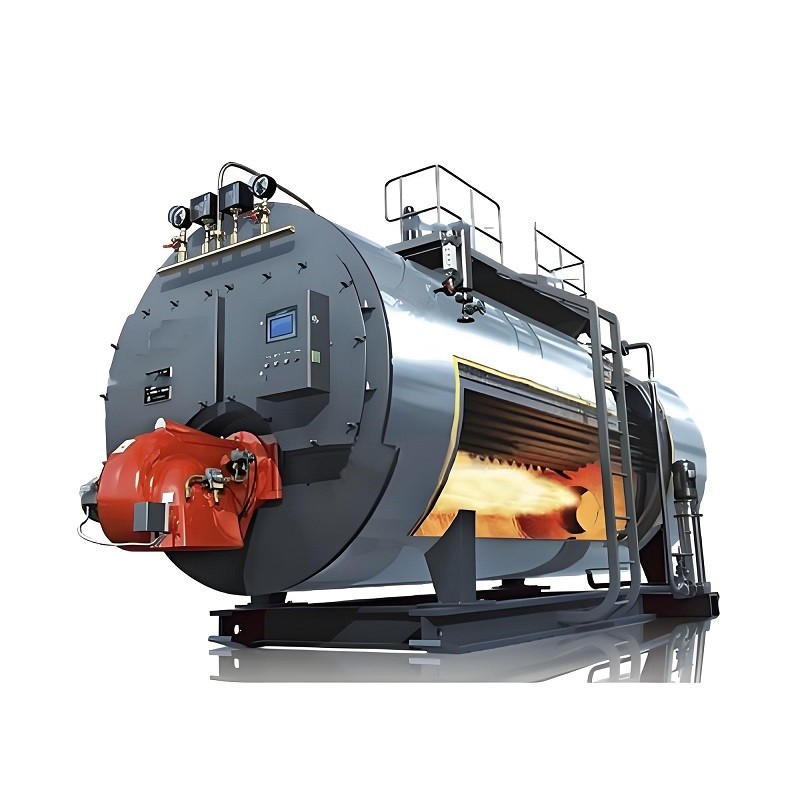
How to Choose Between Oil-Fired-Biomass-Fired-and Electric Boilers?-A Complete Guide by YONGXING Boilers
When it comes to selecting a boiler for your business—whether you run a manufacturing plant, a hotel, a school, or a food processing facility—the choice between oil-fired, biomass-fired, and electric boilers can feel overwhelming. Each type has unique strengths, weaknesses, and ideal use cases, and the “best” option depends on your specific needs: local energy costs, environmental regulations, heating demands, and long-term operational goals.
At YONGXING Boilers, we’ve helped thousands of businesses navigate this decision. Drawing on our 15+ years of expertise in designing and manufacturing industrial boilers, we’ve broken down the key factors to consider for each boiler type, so you can make an informed choice that balances efficiency, cost, and compliance.
1. Oil-Fired Boilers: Fast Heating for High-Demand Scenarios

Oil-fired boilers (powered by diesel or heavy fuel oil) have long been a go-to for businesses needing reliable, high-heat output. Here’s what you need to know:
Pros
- Rapid heating: Oil burns at a high temperature, making these boilers ideal for applications that require quick temperature rises—such as manufacturing processes or emergency heating backups.
- High energy density: A small volume of oil stores a large amount of energy, so fuel storage space is relatively compact compared to biomass.
- Mature technology: Oil boilers are widely used and easy to maintain, with a large network of technicians available for repairs.
Cons
- Volatile fuel costs: Oil prices fluctuate with global markets, which can make long-term budgeting unpredictable. For example, businesses in Europe saw a 40%+ spike in heating oil costs in 2022–2023, impacting operational expenses.
- Environmental impact: Oil combustion releases high levels of carbon dioxide (CO₂) and nitrogen oxides (NOₓ), which may conflict with strict local emissions regulations (e.g., the EU’s Industrial Emissions Directive or U.S. EPA standards).
- Storage and safety risks: Oil requires secure, weatherproof storage tanks, and there’s a risk of leaks or spills that can harm the environment (and lead to costly cleanup).
Ideal For
Businesses in regions with stable, affordable oil supplies and high, intermittent heating demands—such as construction sites, temporary facilities, or factories that operate in cold climates but don’t have access to natural gas.
2. Biomass-Fired Boilers: Eco-Friendly for Sustainable-Focused Businesses
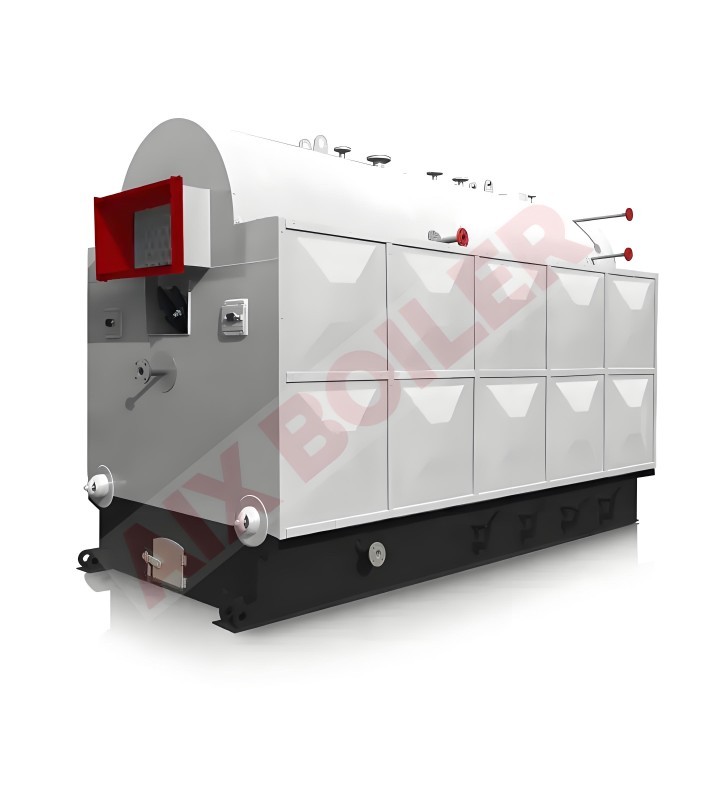
Biomass-fired boilers use organic materials (e.g., wood pellets, crop residues, or waste biomass) as fuel. They’re a popular choice for businesses prioritizing sustainability:
Pros
- Carbon-neutral (or low-carbon): Biomass fuel absorbs CO₂ during growth, offsetting emissions released when burned—making it compliant with strict green policies (e.g., the UK’s Net Zero Strategy or California’s Carbon Neutrality Act).
- Stable fuel costs: Biomass is often sourced locally (e.g., wood pellets from nearby forests), so prices are less affected by global market swings than oil or gas.
- Waste reduction: Some biomass boilers can use agricultural or industrial waste (e.g., corn stalks, sawdust) as fuel, turning waste into energy and lowering disposal costs.
Cons
- Large storage space: Biomass fuel has low energy density (e.g., you need ~10x more space to store wood pellets than oil for the same heat output), so you’ll need dedicated storage facilities.
- Higher maintenance: Biomass combustion can produce ash, which requires regular cleaning of the boiler’s 炉膛 and heat exchangers to avoid efficiency drops.
- Fuel availability: Biomass supply may be limited in arid regions or areas with little agricultural/forestry activity.
Ideal For
Businesses with access to local biomass supplies and strong sustainability goals—such as farms, paper mills, schools, or hotels aiming for eco-certifications (e.g., LEED or BREEAM).
3. Electric Boilers: Clean and Simple for Low-to-Medium Demand
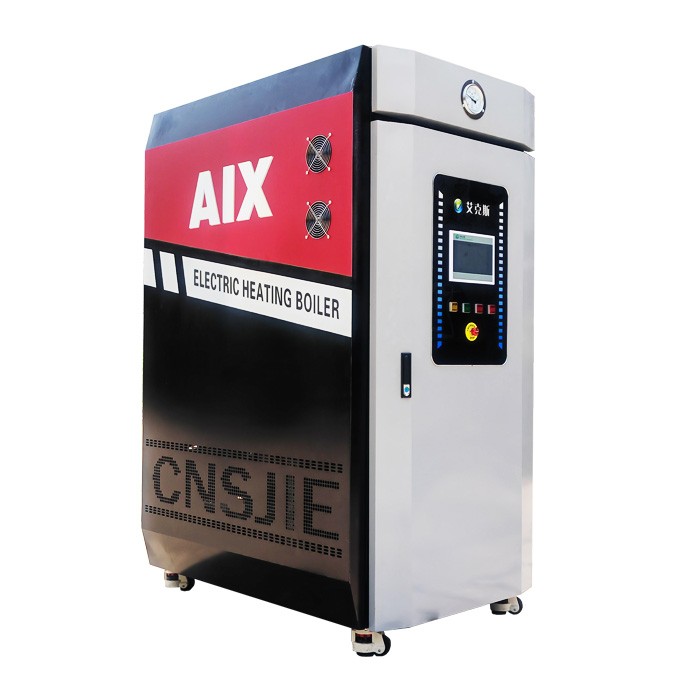
Electric boilers use electricity to heat water or steam, making them a clean, low-maintenance option for specific use cases:
Pros
- Zero on-site emissions: No combustion means no CO₂, NOₓ, or particulate matter is released at your facility—perfect for indoor applications (e.g., hospitals, data centers) or regions with strict air quality rules.
- Minimal maintenance: No fuel storage, no ash, and no combustion components (like burners) mean fewer moving parts to repair. Most electric boilers only require annual inspections.
- Easy installation: They’re compact and don’t need flues or chimneys, so installation is faster and cheaper than oil or biomass boilers—ideal for retrofits or small spaces.
Cons
- High energy costs in most regions: Electricity is often more expensive per unit of heat than oil or biomass. For example, in the U.S., heating with electricity can cost 2–3x more than heating with oil (depending on the state).
- Dependence on grid stability: Power outages will shut down electric boilers, so backup systems (e.g., generators) are needed for critical operations.
- Limited capacity for high demand: Electric boilers are less suitable for large-scale industrial use (e.g., a 100,000 sq. ft. manufacturing plant) because they require high electrical capacity (which may not be available in older buildings).
Ideal For
Businesses with low-to-medium heating demands, access to low-cost electricity (e.g., regions with abundant hydro or solar power), or strict indoor air quality requirements—such as small offices, laboratories, or hospitals.
YONGXING Boilers: Your Partner in Tailored Boiler Solutions
At YONGXING Boilers, we don’t believe in a “one-size-fits-all” approach. Our team of engineers will work with you to:
- Assess your needs: Analyze your heating load, local energy costs, and environmental goals.
- Recommend the right type: Whether it’s an oil-fired boiler for your factory’s peak demand, a biomass boiler for your eco-friendly hotel, or an electric boiler for your laboratory.
- Customize for efficiency: All YONGXING boilers—regardless of fuel type—are designed with energy-saving features (e.g., smart thermostats, high-efficiency heat exchangers) to lower your operational costs.
- Final Tip: Don’t Overlook Long-Term Costs
When choosing a boiler, it’s easy to focus only on upfront costs—but the total cost of ownership (TCO) (fuel, maintenance, repairs, and compliance) matters more. For example:
- An electric boiler may have a low upfront cost, but high electricity bills could make it more expensive over 10 years.
- A biomass boiler may cost more to install, but lower fuel costs and tax incentives (e.g., the U.S. Renewable Energy Tax Credit) could save you money long-term.
Our YONGXING team can help you calculate the TCO for each boiler type, so you can make a decision that aligns with your budget and goals.
Ready to find the perfect boiler for your business? Contact our YONGXING engineers today for a free, no-obligation consultation.
Add New Comment