 English
 العربية
 中文語言
中文語言
 हिंदी भाषा
 हespañol
 русский
 Português
 Le français
 Deutsch
 ภาษาไทย
 Português

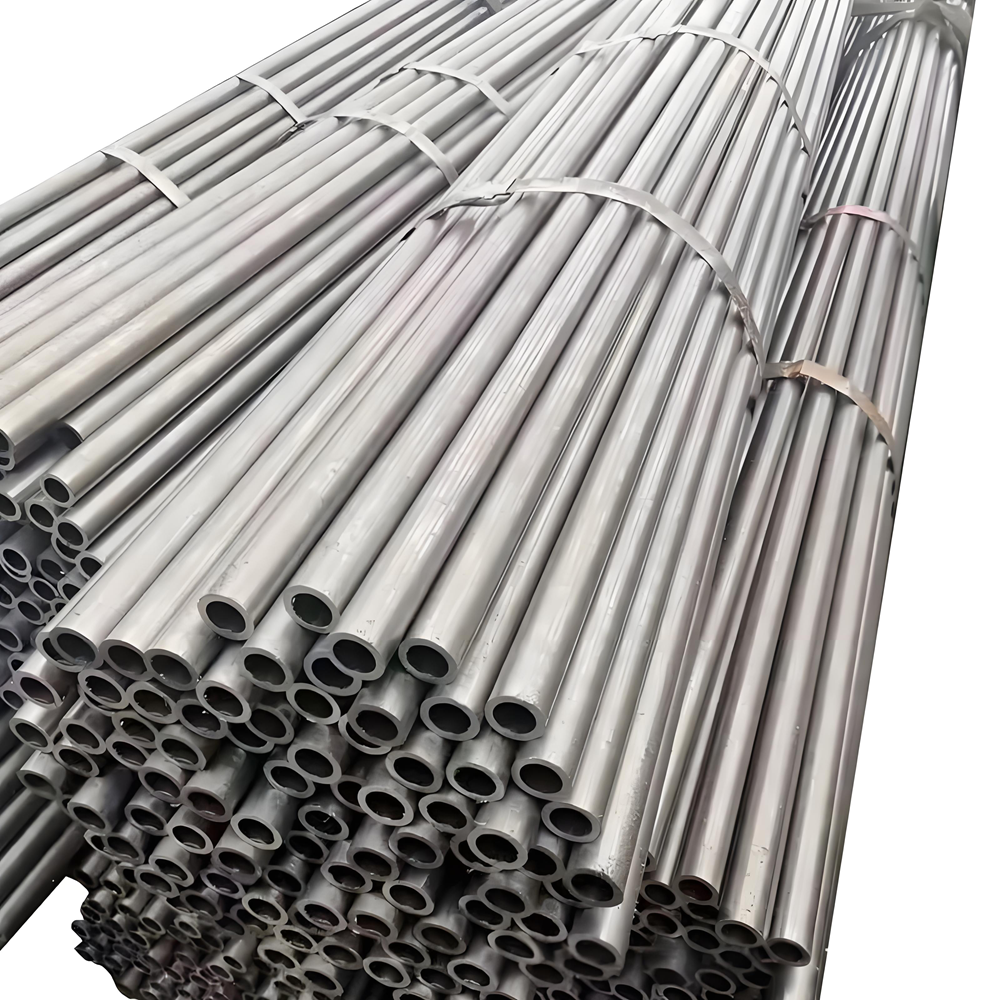
Fire-Tube vs Water-Tube Boilers-Key Structural Differences and Applications
Boilers are the backbone of heat supply in industries, commercial buildings, and even marine vessels, converting fuel energy into usable steam or hot water. Among the many classifications of boilers, the distinction between fire-tube boilers and water-tube boilers is one of the most fundamental—rooted in how heat is transferred from combustion gases to the working fluid (water or steam). This structural difference directly impacts their efficiency, pressure capacity, size, and ideal use cases. Whether you’re an engineer, a facility manager, or someone exploring boiler options, understanding these differences is critical for making informed decisions. In this blog, we’ll break down the core structural elements of both boiler types, compare their performance, and outline which scenarios each excels in.
1. Core Structural Principles: How Fire-Tube and Water-Tube Boilers Work
Before diving into details, it’s essential to grasp the basic operating principle that defines each type—the direction of heat flow relative to the working fluid.
Fire-Tube Boilers: Heat Inside Tubes, Water Around Them
As the name suggests, fire-tube boilers feature tubes that carry hot combustion gases (the “fire”) through a sealed shell filled with water. The heat from the gases transfers through the tube walls into the surrounding water, heating it to produce steam or hot water.
- Key Flow Path: Fuel burns in a furnace, generating high-temperature flue gases. These gases travel through a series of tubes (fire tubes) immersed in the water-filled shell. After transferring heat, the cooled flue gases exit through a chimney or exhaust system.
- Pressure Dynamics: The water and steam are contained within the shell, meaning the shell itself is a pressure-bearing component. This limits the maximum pressure the boiler can handle (more on this later).
Water-Tube Boilers: Water Inside Tubes, Heat Around Them
In contrast, water-tube boilers have tubes that carry water (the working fluid), while hot combustion gases flow around these tubes. Heat transfers from the gases through the tube walls into the water inside, which vaporizes into steam.
- Key Flow Path: Fuel burns in a furnace, creating high-temperature flue gases that circulate around a network of water-filled tubes. Water enters the tubes (often via a drum or header), absorbs heat, and turns into steam. The steam is then collected in a steam drum for distribution.
- Pressure Dynamics: The water and steam are contained within the small-diameter tubes, not a large shell. This design allows the boiler to handle much higher pressures, as smaller tubes are stronger and more resistant to pressure-induced stress than a single large shell.
2. Detailed Structural Components: A Side-by-Side Comparison
While both boilers share basic components (e.g., furnaces, burners, control systems), their core structures differ significantly. Below is a breakdown of the key parts that define each type.
2.1 Fire-Tube Boiler Components
Fire-tube boilers are relatively simple in design, making them easy to manufacture and maintain. Their main components include:
- Shell: A large, cylindrical pressure vessel that holds the water. It is the most critical structural element, made from thick, high-strength steel (e.g., Q245R) to withstand internal pressure. The shell’s size determines the boiler’s water capacity and heat storage capability.
- Fire Tubes: Thin-walled steel tubes (usually seamless) that run through the shell. They connect the furnace (or combustion chamber) to the smoke box. Common tube arrangements include:
- Horizontal Tubes: The most common design (e.g., in “scotch marine” boilers), where tubes run horizontally across the shell for efficient heat transfer.
- Vertical Tubes: Used in smaller, compact boilers (e.g., “vertical fire-tube” boilers) to save space.
- Furnace/Combustion Chamber: Typically located at one end of the shell (or inside it, for “internal furnace” designs). It is where fuel (oil, gas, or solid fuel) burns to generate flue gases. For oil/gas-fired models, the furnace is often lined with refractory material to protect the shell from direct high-temperature exposure.
- Smoke Box: A chamber at the opposite end of the furnace that collects flue gases from the fire tubes and directs them to the chimney. It also allows access for cleaning tube openings.
- Steam Space: The area above the water level in the shell where steam accumulates. Some models include simple steam separators (e.g., baffle plates) to remove water droplets from the steam.
- Manholes & Handholes: Openings in the shell for inspection, maintenance, and cleaning of the interior.
2.2 Water-Tube Boiler Components
Water-tube boilers are more complex but offer greater flexibility in pressure and capacity. Their key components include:
- Water Tubes: Small-diameter, thick-walled tubes (e.g., 20G or 15CrMoG steel) that carry water. They are arranged in bundles (called “tube banks”) and can be shaped into coils, straight lengths, or bent configurations (e.g., “U-tubes” in some industrial models). The tubes are connected to headers or drums.
- Drums/Headers:
- Steam Drum: A horizontal cylinder at the top of the boiler that collects steam from the water tubes. It includes steam-water separation devices (e.g., cyclone separators, corrugated plates) to ensure dry, high-quality steam.
- Water Drum (or Mud Drum): A lower drum that collects water and sediment (e.g., scale, sludge). It is connected to the water tubes via downcomers, creating a natural or forced circulation loop for water.
- Headers: Smaller, cylindrical chambers that distribute water to the tubes (inlet headers) or collect steam/water from the tubes (outlet headers). They are used in high-pressure boilers to reduce stress on the main drums.
- Furnace: A separate, refractory-lined chamber (often water-cooled with membrane walls) where fuel burns. Unlike fire-tube boilers, the furnace is not contained within the water shell—flue gases flow freely around the tube banks, maximizing heat transfer.
- Circulation System: Ensures water flows through the tubes to prevent overheating. There are two main types:
- Natural Circulation: Relies on density differences—hot water/steam in the tubes is less dense and rises to the steam drum, while cooler water in the downcomers sinks to the water drum, creating a loop.
- Forced Circulation: Uses pumps to push water through the tubes, enabling faster flow and higher heat transfer rates. This design is common in high-pressure boilers (e.g., supercritical boilers).
- Superheater (Optional): A bank of additional tubes that heats saturated steam to superheated steam (above the boiling point) for high-efficiency power generation (e.g., in turbines). Superheaters are rarely used in fire-tube boilers due to pressure limitations.
3. Performance and Operational Differences
The structural disparities between fire-tube and water-tube boilers translate to significant differences in performance, safety, and maintenance. Here’s how they compare:
4. Ideal Applications: Which Boiler Is Right for You?
The choice between fire-tube and water-tube boilers depends on your specific needs—including steam pressure, capacity, space, and maintenance capabilities.
When to Choose a Fire-Tube Boiler
Fire-tube boilers excel in low-to-medium pressure, low-capacity scenarios where simplicity and low maintenance are priorities. Common applications include:
- Small to medium industrial facilities: Factories, laundries, or food processing plants that require low-pressure steam (≤ 10 bar) for heating or basic processes.
- Commercial buildings: Hotels, hospitals, or shopping malls using hot water or low-pressure steam for heating, HVAC systems, or domestic hot water.
- Marine vessels: “Scotch marine” fire-tube boilers are widely used in ships due to their compact size, high water storage (critical for rough seas), and easy maintenance in tight spaces.
- Temporary or mobile setups: Portable fire-tube boilers for construction sites or emergency heat supply, thanks to their simple design and quick startup.
When to Choose a Water-Tube Boiler
Water-tube boilers are the go-to choice for high-pressure, high-capacity applications where efficiency and scalability are essential. Common applications include:
- Power generation: Thermal power plants (fossil fuel, biomass, or waste-to-energy) that require high-pressure superheated steam (30–100 bar) to drive turbines.
- Large industrial processes: Refineries, chemical plants, or paper mills that need high-pressure steam (15+ bar) for sterilization, distillation, or mechanical processes.
- District heating systems: Large-scale heating networks serving cities or industrial zones, where high-capacity boilers (50+ t/h) can meet massive heat demand.
- High-temperature processes: Industries like metalworking or glass manufacturing that require superheated steam or high-temperature hot water.
5. Common Myths and Misconceptions
To avoid confusion, let’s debunk two common myths about fire-tube and water-tube boilers:
- Myth 1: Fire-tube boilers are outdated.
While water-tube boilers dominate high-capacity industrial use, fire-tube boilers remain relevant for small-to-medium applications. Their simplicity, low cost, and quick startup make them ideal for scenarios where high pressure isn’t needed (e.g., commercial heating).
- Myth 2: Water-tube boilers are always more efficient.
While water-tube boilers can achieve higher efficiency, this depends on design and operation. A well-maintained fire-tube boiler with heat recovery (e.g., an economizer) can match the efficiency of a basic water-tube boiler. Water-tube boilers only pull ahead in high-pressure, high-load operations.
Conclusion
Fire-tube and water-tube boilers are two distinct designs, each optimized for specific needs. Fire-tube boilers offer simplicity, low maintenance, and quick startup—perfect for low-pressure, small-capacity applications. Water-tube boilers, meanwhile, deliver high pressure, high capacity, and superior efficiency—making them essential for large-scale industrial and power generation use.
When selecting a boiler, focus on your pressure requirements, steam capacity needs, space constraints, and maintenance capabilities. For example, a hotel heating system would benefit from a fire-tube boiler’s simplicity, while a power plant would require a water-tube boiler’s high-pressure performance.
By understanding these structural and operational differences, you can choose a boiler that not only meets your immediate needs but also delivers long-term reliability and cost-effectiveness. Whether you’re upgrading an existing system or designing a new one, the right boiler design will be the foundation of efficient heat supply.
Add New Comment