 English
 العربية
 中文語言
中文語言
 हिंदी भाषा
 हespañol
 русский
 Português
 Le français
 Deutsch
 ภาษาไทย
 Português

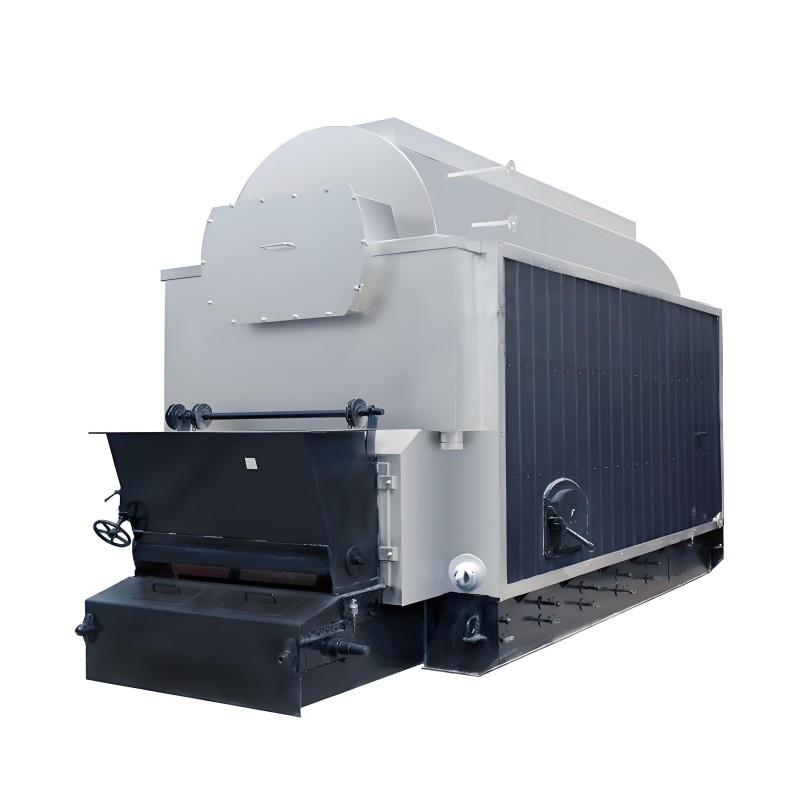
Factors Affecting Boiler Thermal Efficiency
Thermal efficiency of a boiler is a key indicator that determines how effectively a boiler converts fuel into usable heat. Numerous factors can influence this efficiency, impacting both operational costs and environmental footprint. Understanding these factors can help optimize performance and ensure sustainable operation.
1. Fuel Quality
The type and quality of fuel used significantly affect thermal efficiency. High-quality fuels with low moisture and ash content, such as premium coal or natural gas, burn more completely, reducing heat loss. Low-quality fuels with high impurity levels can lead to incomplete combustion and increased soot, lowering efficiency.
2. Combustion Efficiency
Efficient combustion is essential for maximizing heat transfer. Factors such as the proper air-fuel ratio, burner design, and combustion control systems play a vital role. An imbalance, such as excess air or insufficient oxygen, can result in heat loss through exhaust gases, reducing overall efficiency.
3. Heat Loss
Heat loss through the boiler’s surface, flue gases, and unburned fuel directly impacts thermal efficiency. The quality of insulation and maintenance are key to minimizing surface heat loss. Additionally, high flue gas temperatures or incomplete combustion can lead to significant energy wastage.
4. Boiler Design and Maintenance
The design of the boiler, including heat exchanger surfaces and water circulation systems, influences efficiency. Regular maintenance, such as cleaning scales and soot from heat transfer surfaces, prevents efficiency drops. Neglected boilers often suffer from reduced heat transfer due to fouling or corrosion.
5. Operating Conditions
Operating a boiler at its designed capacity ensures optimal efficiency. Overloading or underloading can strain the system, leading to inefficiencies. Additionally, factors like water quality and pressure levels must be monitored to avoid energy losses due to scaling or steam leaks.
6. Environmental Factors
External conditions, such as ambient temperature and humidity, can affect boiler performance. Cold intake air, for instance, requires more energy to heat, while high humidity can alter combustion dynamics. Proper ventilation and air preheating systems can mitigate these effects.
Conclusion
Improving boiler thermal efficiency requires a comprehensive approach, addressing fuel quality, combustion processes, heat loss prevention, and regular maintenance. Optimizing these factors allows industrial enterprises to achieve significant energy savings and reduce their environmental impact. Regular monitoring and modernization with modern technologies can further enhance performance.
Add New Comment