 English
 العربية
 中文語言
中文語言
 हिंदी भाषा
 हespañol
 русский
 Português
 Le français
 Deutsch
 ภาษาไทย
 Português

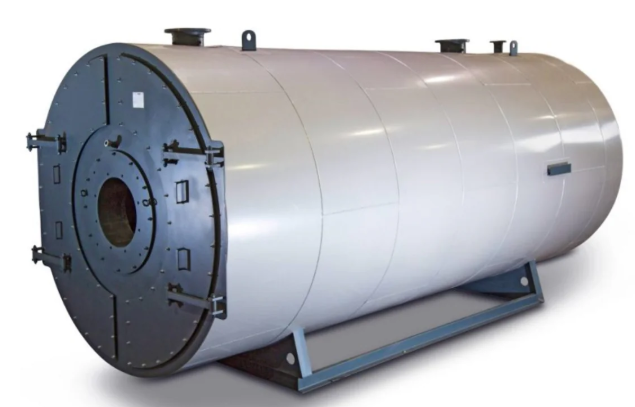
Everything You Need to Know About Oil Hot Water Boilers
By YONGXING Boiler
The industrial boiler market offers a wide range of options, each with unique specifications, strengths, and weaknesses. Some prioritize efficiency, while others focus on cost-effectiveness. Among these, industrial hot water boilers stand out for their unparalleled efficiency and certain similarities to steam boilers.
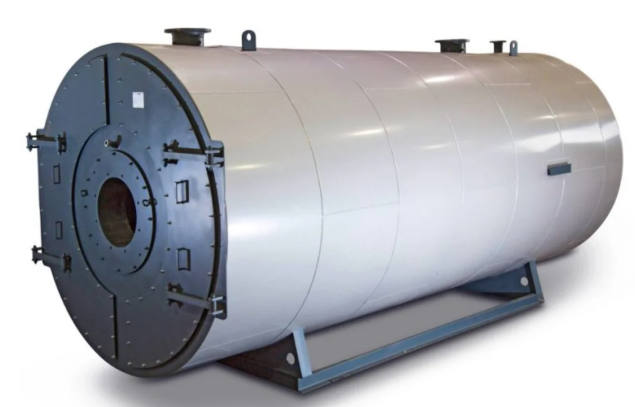
If you’re unsure how to select the right hot water boiler for your industry, this guide will break down the working principle, types, benefits, and key features of oil hot water boiler systems. By the end, you’ll be able to determine if it’s the right fit for your factory. Let’s begin!
How to Identify an Oil Hot Water Boiler?
Hot water boilers are commonly used for small industrial applications. However, oil hot water boilers are significantly larger and designed for large-scale projects.
Most oil hot water boilers feature oil-fired burners, typically located at the front. This simple design makes them relatively easy to operate.
Another distinctive design element is their pressure vessel. Unlike many systems with vertical vessels, oil hot water boilers have a horizontal, cylindrical pressure vessel sealed with insulators.
Despite their large size, these boilers are surprisingly compact, thanks to their space-efficient design. They can be easily installed in industrial settings without occupying excessive space.
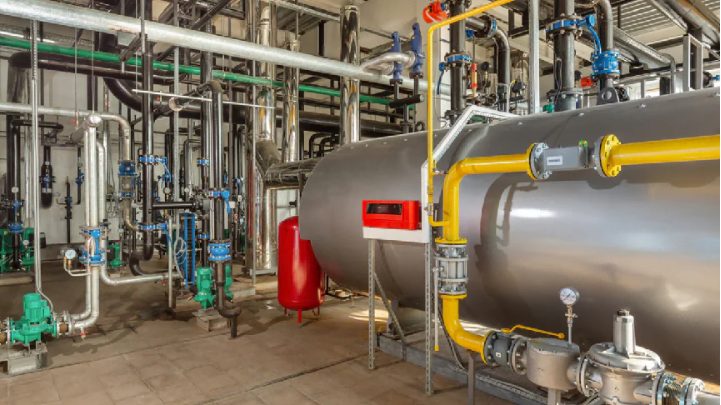
Working Principle of an Oil Hot Water Boiler System
Oil hot water boilers operate somewhat similarly to coal-fired steam boilers, which often leads to confusion. Both require water to function, but steam boilers maintain a fixed water level and use steam, while industrial hot water boilers heat water by firing burners and heating tubes.
The system stores water in a boiler shell containing circulating pipes and tubes. Heated water is recirculated back to the boiler for reheating. The pipework in oil hot water systems is carefully designed to allow free water movement without loss.
Note that the number of water passes varies by system; most boilers have two or three passes for heated water. Additionally, these boilers feature a single chamber where gases are repeatedly combusted, ensuring complete combustion due to their efficient burners.
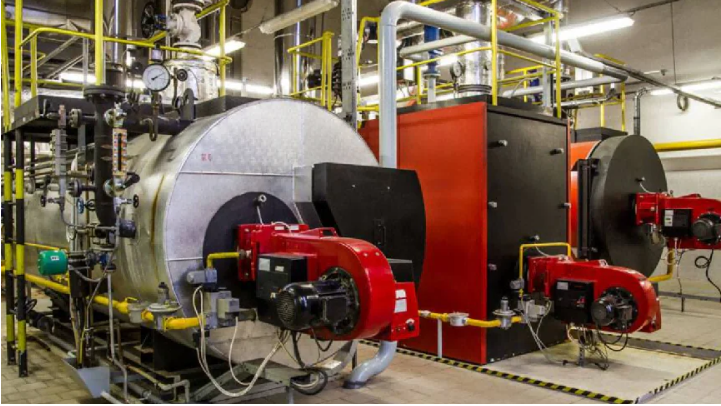
Types of Oil Hot Water Boilers
Oil hot water boilers are categorized into three main types, primarily based on temperature capacity, which also affects their applications. Let’s explore each type:
- Low-Temperature Boilers (LTHW)
These systems operate at temperatures below 250°F (121°C) and a maximum pressure of 30 PSIG. They are not suitable for large-scale industries but are common in small-scale production or domestic settings, primarily providing limited hot water during winter. - Medium-Temperature Boilers (MTHW)
Ideal for medium-range temperatures (250°F to 350°F) and pressures up to 150 PSIG, these boilers are widely used in smaller industries and medium-scale projects. - High-Temperature Boilers
The most efficient and capable type, high-temperature oil hot water boilers operate at pressures up to 290–300 PSIG and temperatures exceeding 350°F. They are ideal for large-scale industrial heating and heating larger areas like districts, as they can achieve what the other two types cannot.
Oil hot water boilers are also classified by pressure capabilities, with low-pressure and high-pressure variants suitable for commercial and industrial applications.
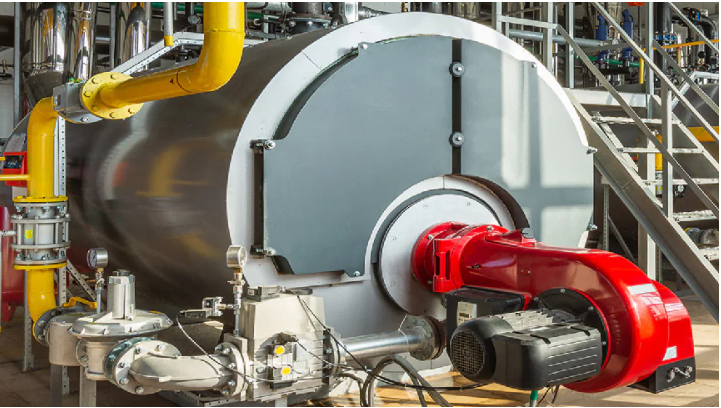
Another common variation is the industrial electric hot water boiler, which differs drastically in operation and design. It features a stainless steel body and electrical functions, making it suitable for commercial and small-scale industrial use.
3 Key Benefits of Oil Hot Water Boilers
Oil hot water boilers are versatile heating solutions with wide commercial and industrial applications. They offer excellent value for money, making them highly cost-effective. Here are their main benefits:
- Superior Efficiency
One of the biggest advantages is their unmatched efficiency, reaching up to 85% under optimal conditions (compared to an average of 70–75% for other hot water boilers). This efficiency stems from two factors:- Heated water is reheated through durable pipelines, minimizing water loss.
- Gases are combusted repeatedly in a single chamber, maximizing the use of combustion energy for heating.
- Inexpensive Installation & Maintenance
These boilers are easy to install, making them a favorite for large-scale applications. Their price is reasonable relative to their efficiency, ensuring a high return on investment. Maintenance is also straightforward, requiring no professional assistance, and is cheaper than most other boilers, enhancing accessibility. - Simple Operations
The working mechanism is easy to understand, even for inexperienced users, while remaining highly effective. Combined with low-pressure settings and capable temperatures, they outperform many alternatives. Additionally, they eliminate operating costs associated with systems like steam boilers (e.g., steam leaks, traps, or blowdowns that disrupt operations).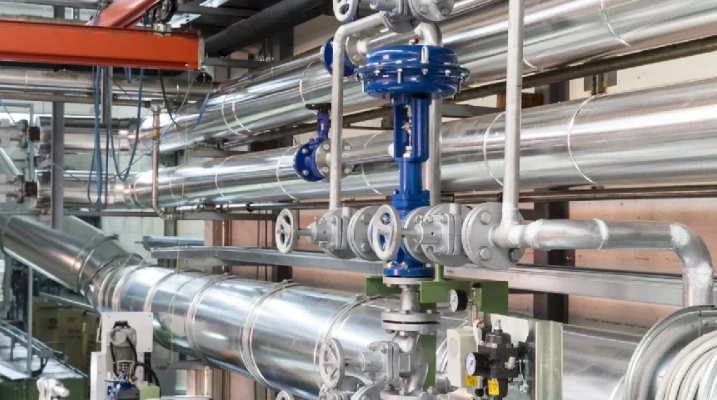
Differences Between Oil Hot Water Boilers and Steam Boilers
While oil hot water boilers and steam boilers share similarities, they have significant differences. The most obvious is size: steam boilers are larger and less space-efficient. Installation methods also vary greatly. Let’s explore other key differences:
- Maintenance
Steam boilers operate at higher temperatures and pressures, requiring frequent monitoring and maintenance. In contrast, oil hot water systems need less frequent upkeep, though they still require protection against corrosion, as their temperatures and pressures are safer. - Heating Framework
Oil hot water boilers use burners and heat exchangers to raise water temperature, with a single chamber for gas combustion. Steam boilers, however, evaporate water to produce heat and do not recirculate water after heating. - Efficiency Rate
While both are efficient, steam boilers waste energy due to resistance to cold temperatures, making them less efficient. Oil hot water systems maintain consistent efficiency by recirculating water through sturdy pipework, minimizing energy waste. - Applications
Oil hot water boilers are used for industrial and commercial purposes, particularly in large buildings. Steam boilers, by contrast, are suited for smaller buildings and low-to-medium-scale projects, making them less common in large industries.
Conclusion
Oil hot water boilers are among the most efficient options in their category, offering a high return on investment due to their cost-effectiveness and energy efficiency. Combined with easy installation, operation, and maintenance, they are an excellent choice for industrial heating needs.
We can assist with installing the right steam boiler or oil hot water heater for your industry, with a catalog of high-quality systems supported by experienced installation and maintenance teams. What more could you ask for?
Add New Comment