 English
 العربية
 中文語言
中文語言
 हिंदी भाषा
 हespañol
 русский
 Português
 Le français
 Deutsch
 ภาษาไทย
 Português

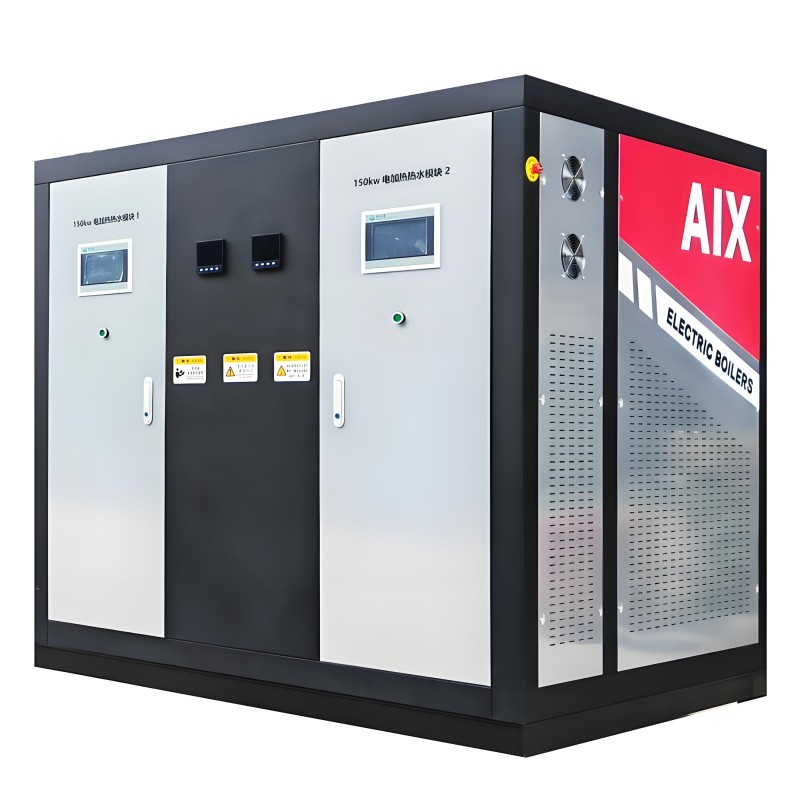
Electric Steam Boilers in Food Processing-Applications and Benefits
Electric steam boilers have become an essential tool in the food processing industry, offering a reliable, efficient, and clean source of steam for various applications. Unlike traditional fuel-based boilers, electric steam boilers provide precise temperature control, reduced emissions, and lower maintenance costs, making them ideal for food production environments where hygiene and efficiency are paramount. In this article, we explore the key applications of electric steam boilers in food processing and their benefits.
Key Applications of Electric Steam Boilers
1. Cooking and Pasteurization
Electric steam boilers are widely used to generate high-quality steam for cooking and pasteurizing food products. The steam ensures uniform heating, which is critical for processes like pasteurizing dairy products, cooking sauces, or preparing canned goods. The precise control of steam temperature allows food processors to maintain consistent quality and meet stringent safety standards.
2. Sterilization and Sanitization
Hygiene is a top priority in food processing. Electric steam boilers provide steam for sterilizing equipment, containers, and packaging materials. The high temperatures achieved by steam effectively eliminate bacteria and pathogens, ensuring that food products are safe for consumption. Unlike chemical sanitizers, steam is a natural and residue-free solution, aligning with clean-label trends.
3. Blanching and Peeling
In vegetable and fruit processing, steam from electric boilers is used for blanching and peeling. Blanching involves briefly exposing produce to steam to deactivate enzymes and preserve color, texture, and nutritional value. Similarly, steam peeling uses high-pressure steam to loosen the skin of fruits and vegetables, reducing waste and improving efficiency compared to manual or mechanical peeling methods.
4. Baking and Drying
Electric steam boilers play a crucial role in baking and drying processes. In commercial bakeries, steam is injected into ovens to create the perfect crust and texture for breads and pastries. For drying applications, such as producing dehydrated fruits or snacks, steam ensures consistent heat distribution, resulting in uniform drying without compromising product quality.
5. Steam-Jacketed Kettles
Many food processing facilities use steam-jacketed kettles powered by electric steam boilers to cook large batches of soups, sauces, or confectionery products. The steam circulates through the kettle’s jacket, providing even and controlled heating, which prevents scorching and ensures high-quality output.
Benefits of Electric Steam Boilers in Food Processing
1. Energy Efficiency
Electric steam boilers are highly efficient, converting nearly all electrical energy into heat. Their ability to start and stop quickly reduces energy waste compared to fuel-based boilers that require longer warm-up times. Additionally, modern electric boilers often incorporate advanced insulation and control systems to further optimize energy use.
2. Environmental Friendliness
Unlike gas or oil-fired boilers, electric steam boilers produce no combustion byproducts, making them a cleaner option for food processing facilities aiming to reduce their carbon footprint. This aligns with the growing demand for sustainable practices in the food industry.
3. Precision and Control
Electric steam boilers offer precise temperature and pressure control, which is essential for maintaining consistent food quality. Advanced control systems allow operators to fine-tune steam output, ensuring optimal conditions for specific processes.
4. Low Maintenance
With fewer moving parts and no combustion processes, electric steam boilers require less maintenance than traditional boilers. This reduces downtime and maintenance costs, allowing food processing facilities to operate more efficiently.
5. Compact Design
Electric steam boilers are typically more compact than their fuel-based counterparts, making them ideal for facilities with limited space. Their modular design also allows for easy integration into existing production lines.
Considerations for Implementation
When adopting electric steam boilers, food processing facilities should consider factors such as electricity costs, boiler capacity, and compatibility with existing systems. While electric boilers may have higher upfront costs in some regions due to electricity prices, their long-term benefits—such as lower maintenance and environmental compliance—often outweigh these initial expenses.
Conclusion
Electric steam boilers are transforming food processing by providing a clean, efficient, and precise source of steam for cooking, sterilization, blanching, baking, and more. Their energy efficiency, environmental benefits, and low maintenance make them an attractive choice for modern food production facilities. As the industry continues to prioritize sustainability and quality, electric steam boilers are poised to play an increasingly vital role in shaping the future of food processing.
Add New Comment