 English
 العربية
 中文語言
中文語言
 हिंदी भाषा
 हespañol
 русский
 Português
 Le français
 Deutsch
 ภาษาไทย
 Português

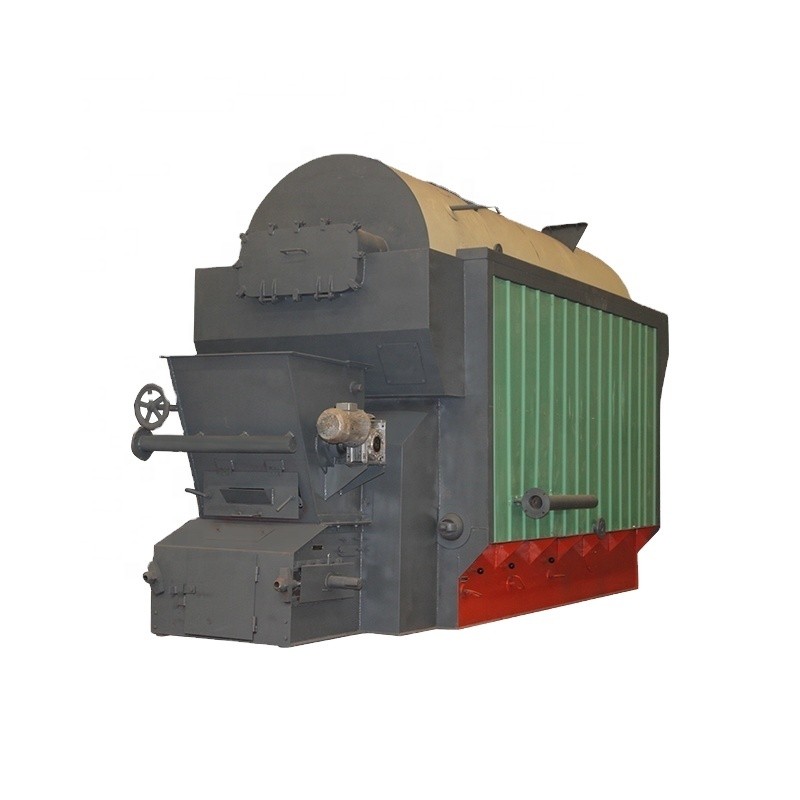
Differences Between DZH and DZL Boilers: A Comprehensive Comparison
Boilers are critical equipment in various industries, providing essential steam or hot water for processes ranging from power generation to manufacturing. Among the many types of boilers, DZH and DZL series coal and biomass-fired boilers are widely used due to their efficiency and adaptability to solid fuels. While both are designed for similar applications, they differ significantly in structure, operation, and performance. In this blog, we’ll explore the key differences between DZH and DZL boilers to help you understand which might be best suited for your needs.
1. Structural Design
DZH Boilers
DZH boilers are characterized by a manual type design, featuring a single drum with a combination of water-tube and fire-tube structures. They incorporate a moving grate (also known as a traveling grate) for fuel combustion. The boiler has a horizontal three-pass configuration, with water wall tubes on the left and right sides of the furnace acting as the radiated heating area, and spirally corrugated tubes in the drum serving as the convection heating area. This design enhances heat transfer and ensures sufficient output capacity.
DZL Boilers
DZL boilers, on the other hand, are automatic type boilers with a similar single drum, horizontal three-pass water-tube and fire-tube structure. However, they use a chain grate for combustion, which is mechanized and allows for automated fuel feeding and ash removal. The DZL design includes threaded smoke tubes for improved heat transfer and a lightweight chain grate for efficient fuel combustion. The boiler’s compact structure and advanced controls make it highly efficient and easier to operate.
Key Difference: DZH boilers rely on manual fuel feeding and ash removal, while DZL boilers feature automated systems, making them more labor-efficient.
2. Fuel Feeding and Ash Removal
DZH Boilers
DZH boilers require manual fuel feeding, where workers periodically add coal, wood, or biomass (such as rice husk, sawdust, or wood logs) into the boiler. Ash removal is also done manually, which can be labor-intensive and less suitable for large-scale operations requiring continuous fuel input. This manual operation makes DZH boilers more suitable for smaller-scale applications or where labor costs are low.
DZL Boilers
DZL boilers are equipped with an automatic chain grate system that mechanizes fuel feeding and ash removal. The chain grate moves continuously, feeding fuel into the combustion chamber and removing ash automatically, reducing labor requirements. This automation allows DZL boilers to handle larger capacities and maintain consistent operation over extended periods.
Key Difference: DZL boilers offer automated fuel feeding and ash removal, while DZH boilers require manual operation, impacting labor efficiency and scalability.
3. Fuel Adaptability
DZH Boilers
DZH boilers are highly adaptable to a wide range of fuels, including coal, biomass (e.g., rice husk, nut shells, sawdust, wood logs, and straw), and other solid fuels. The moving grate design accommodates fuels with varying sizes and combustion characteristics, making it versatile for regions with diverse fuel availability. However, the manual feeding process may limit the ability to handle certain fuels efficiently.
DZL Boilers
DZL boilers also support a variety of fuels, including bituminous coal, lean coal, anthracite, and biomass. The chain grate’s adjustable rolling speed allows it to adapt to different fuel types and burning rates, optimizing combustion efficiency. The automated system ensures consistent fuel delivery, which enhances performance with low-quality or variable fuels.
Key Difference: While both boilers are versatile in fuel use, DZL boilers benefit from automated fuel handling, which improves combustion consistency across different fuel types.
4. Efficiency and Output
DZH Boilers
DZH boilers typically achieve thermal efficiencies of around 80-82%, depending on the model and fuel used. Their design, which includes spirally corrugated tubes and a vaulted tube plate, enhances heat transfer and output capacity. However, the manual operation can lead to inconsistent combustion, potentially reducing efficiency over time. The steam capacity of DZH boilers generally ranges from 0.5 to 6 tons per hour, making them suitable for small to medium-scale applications.
DZL Boilers
DZL boilers are designed for higher efficiency, typically ranging from 82-85% or more, thanks to their automated chain grate and advanced heat transfer features like threaded smoke tubes and double-layer secondary air design. These boilers can handle larger capacities, with steam outputs ranging from 1 to 10 tons per hour, and some models can support up to 30 tons per hour for larger industrial applications.
Key Difference: DZL boilers generally offer higher thermal efficiency and greater output capacity compared to DZH boilers, making them better suited for larger-scale operations.
5. Ease of Installation and Maintenance
DZH Boilers
DZH boilers are designed for fast assembly and require less infrastructure investment due to their compact size and simple structure. They are easy to transport and install, often requiring only 10 days for setup. However, their manual operation increases maintenance demands, as workers must regularly clean ash and monitor fuel input.
DZL Boilers
DZL boilers are also designed for quick installation, with a fully assembled and wired package system that reduces setup time and costs. Their automated systems reduce maintenance needs, as ash removal and fuel feeding are mechanized. Additionally, DZL boilers often include advanced control systems for monitoring critical parameters, enhancing safety and reliability.
Key Difference: DZL boilers are easier to maintain due to automation, while DZH boilers require more manual intervention, increasing maintenance efforts.
6. Environmental Impact
DZH Boilers
DZH boilers incorporate environmental protection measures such as bag dust collectors and double-tower desulfurization to reduce emissions. However, their manual operation may lead to less consistent combustion, potentially increasing emissions if not properly managed.
DZL Boilers
DZL boilers are designed with advanced pollution control systems, including water film dust collectors, bag-type static electricity dust collectors, and double-tower desulfurization, enabling zero-pollution operation in some cases. The automated chain grate ensures more complete combustion, reducing emissions and improving environmental performance.
Key Difference: DZL boilers typically have better environmental performance due to automated combustion and advanced emission control systems.
Add New Comment