 English
 العربية
 中文語言
中文語言
 हिंदी भाषा
 हespañol
 русский
 Português
 Le français
 Deutsch
 ภาษาไทย
 Português

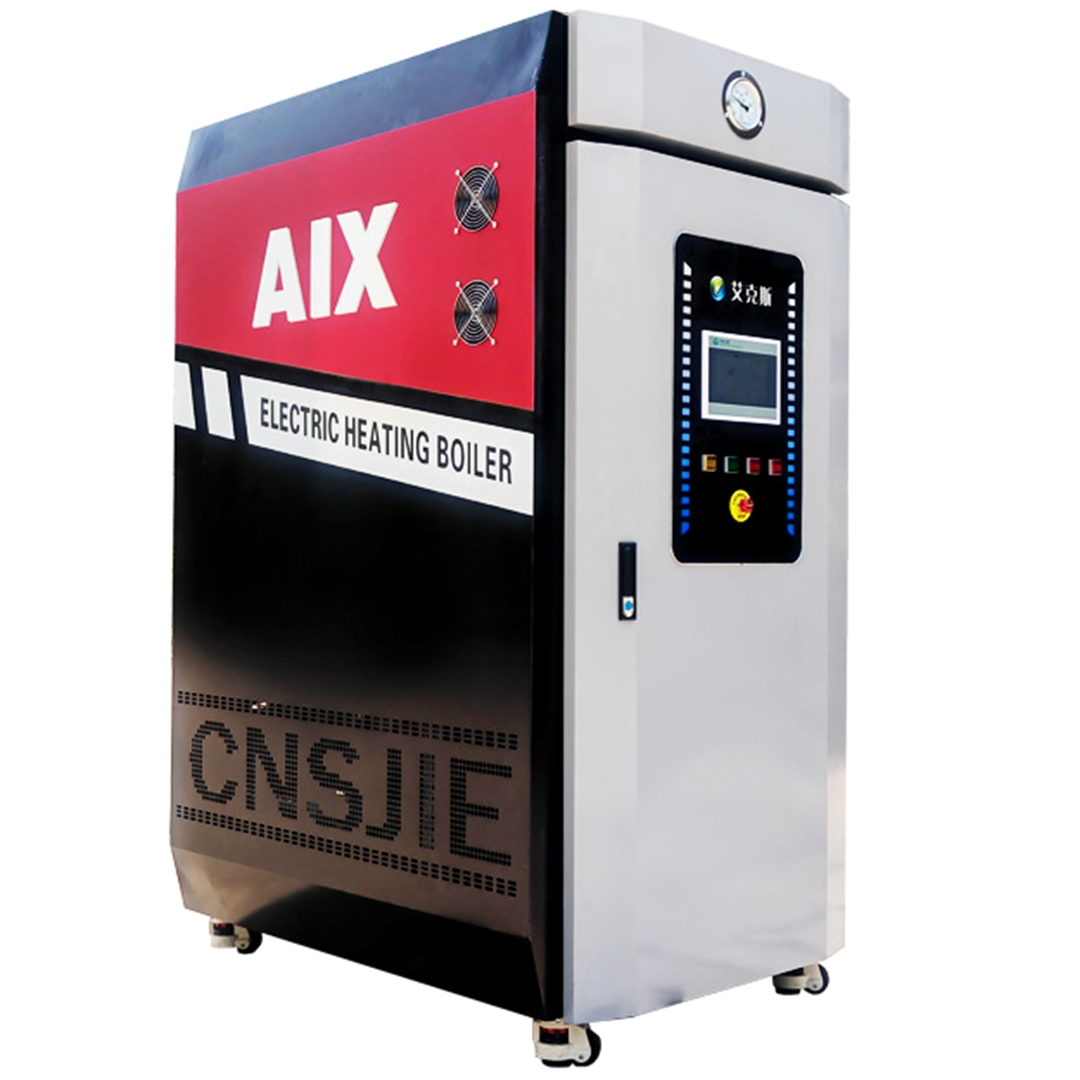
Commercial Electric Boilers: A Comprehensive Guide
As an industrialist, decreasing boiler efficiency and rising energy costs have been your nightmare, worsened by the issue of greenhouse gas emissions. But this is no longer the case! Commercial electric boilers are specifically designed to deliver better performance with lower environmental impact.
What Are Commercial Electric Boilers?
Commercial electric boilers, also known as industrial electric steam boilers, are small heating systems. They use electricity to heat large houses, offices, and factories. Similar to conventional gas or oil boilers, they heat water and circulate it around the building for heating, just like radiators warm a room.
The good news is that they also help protect the environment. Using them can reduce pollution and benefit the planet. Moreover, if powered by clean energy such as wind or solar, they are even more beneficial to the Earth.
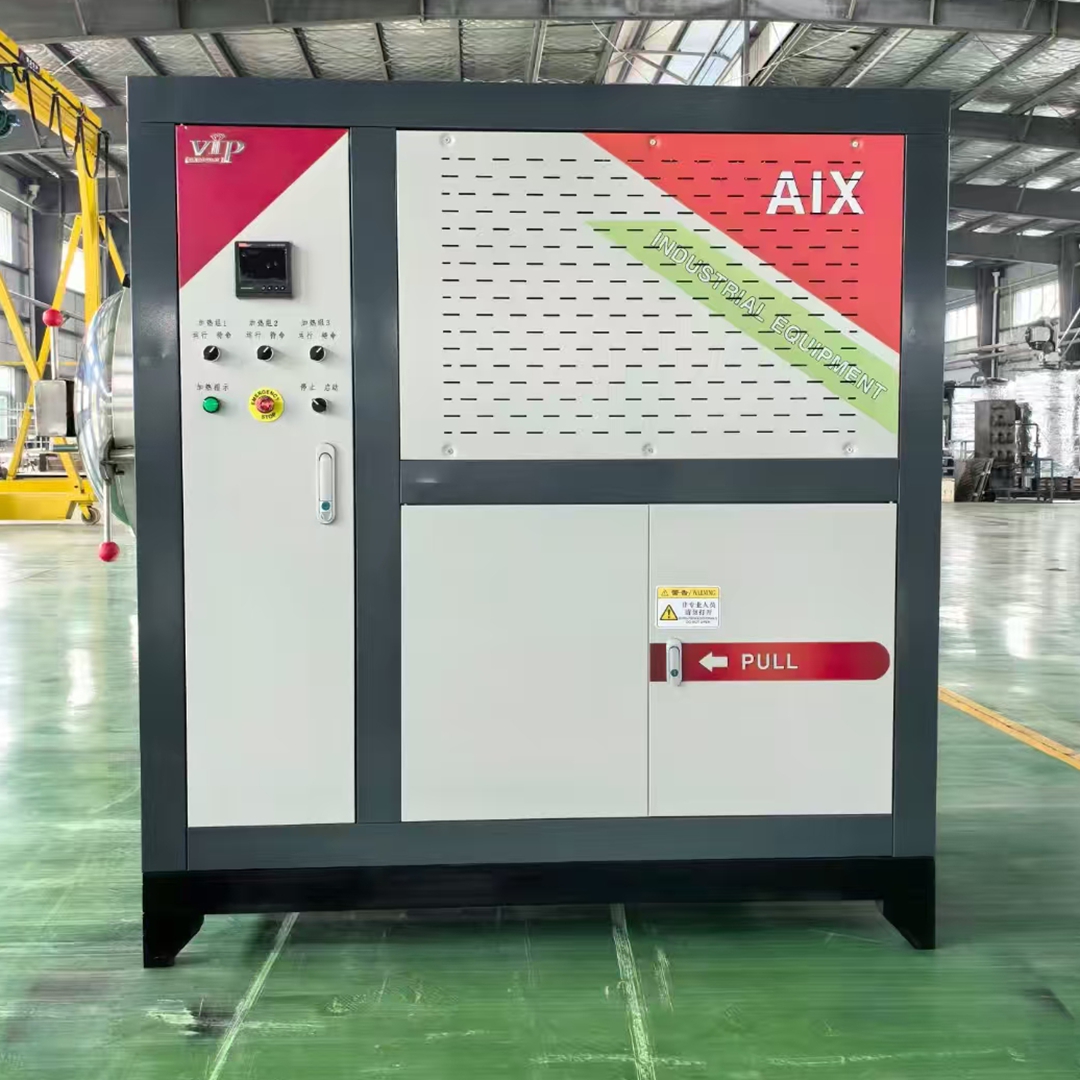
Commercial Electric Water Boilers
You may wonder when an electric boiler becomes a "commercial electric boiler". There is no fixed rule, but in the boiler industry, any boiler with an output exceeding 50 kW is typically called a commercial boiler.
What matters is that commercial electric water boilers use energy to provide safe and clean hot water heating. Since no burning is involved, there is no risk of gas leaks, smoke, or carbon dioxide emissions. Electric water heating technology has also advanced, enabling water in heating systems to heat up faster and stay warm consistently.
Are Commercial Electric Boilers Worth Buying?
In short, yes - commercial electric boilers and electric steam generators are worth purchasing.
They are worthwhile because they consume less power and have lower operating costs compared to gas appliances. This makes sense as electric boilers are generally more efficient than gas boilers. Due to their efficiency, they also have a lower carbon footprint.
6 Things You Should Know About Commercial Electric Boilers
To determine if these boilers are worth your investment, let's look at key points that are rarely mentioned.
1. Electric Boiler Efficiency
Commercial electric boilers are claimed to be 100% efficient, as shown in the conversion from BTUH or MBH to KW in boiler manufacturer literature.
However, 100% efficiency is somewhat exaggerated. Even with insulation, some heat escapes to the surroundings. The boiler itself and its metal components require some energy to heat up. A more reasonable figure is 96%. Circulating boiler efficiency may vary by manufacturer but typically ranges from 95% to 97%.
2. Heating Element Size
Most commercial boilers use Incoloy 800 to cover their heating elements. This material prevents rust damage while remaining affordable.
A heating element can be thought of as a very hot surface surrounded by water. Chemicals in the water may adhere to the components and form coatings. This happens faster on smaller, higher-power elements than on larger, lower-power ones.
Here, we measure the ratio of power used to the element's surface area, which is called "watt density". For elements to function properly in the long term, the watt density should not exceed 75 watts per square inch. Some manufacturers recommend even lower, such as 50 watts per square inch.
3. Space Requirements
Commercial electric boilers tend to be larger than the gas condensing boilers you may be familiar with. To ensure you have enough space for the boiler, take measurements in advance. Here are examples of boilers with 3 million BTU capacity:
| Manufacturer | Series | Type | Dimensions |
|---|---|---|---|
| Bryan | Gas-fired | FF-3000 | 35" x 93" x 75" |
| Elco | Gas-fired | BMK-3000 | 28" x 68" x 78" |
| Bryan | Electric | 900BH | 59" x 84" x 82" |
| Cemline | Electric | VB200FTB900 | 60" x 60" x 91" |
4. Element Control and Staging
The elements in electric boilers turn on and off gradually to maintain the desired temperature, which is called stepped control. The controller should also adjust the firing sequence of the components to ensure even wear. A good boiler specification should mention this staging control to assist you in making decisions.
5. Maintenance Requirements
You might think that commercial electric boilers do not require maintenance because they have no burner, but this is incorrect. Safety controls should be checked according to the manufacturer's recommendations to ensure proper operation. Elements should be inspected regularly for damage. If the system uses water treatment, it should be maintained similarly to gas equipment systems.
6. Converting BTUH to KW for Boiler Sizing
Remember this simple calculation to convert boiler size from BTUH to KW:
- To convert BTU to kW: multiply by 0.000293
- To convert kW to BTU: multiply by 3414
Commercial Electric Boilers: Electricity Usage and Lifespan
Do Commercial Electric Boilers Use a Lot of Electricity?
Electricity is typically more expensive than natural gas. One reason is the costs of generation and distribution. Another is that most electric utilities are privately owned by large companies rather than government entities. A typical commercial gas boiler only needs 1-3 kWh/MBTU, while commercial electric boilers average 4-8 kWh per million BTU (kWh/MBTU).
How Long Do Commercial Electric Boilers Last?
With proper maintenance, commercial electric boilers can last 15-20 years. However, their lifespan depends on water quality, maintenance frequency, and operating conditions. The heating elements usually need to be replaced every 5-10 years.
How Much Do Industrial Electric Steam Generators Cost?
The price of electric steam boilers is affected by the boiler size and whether it requires indoor or outdoor housing. Small commercial electric boilers may cost between $1,500 to $3,000, while large ones can cost up to $10,000. These prices are between those of gas and oil boilers.
Although they are more expensive initially than gas and oil boilers, they offer advantages such as quieter operation, better heat distribution, and lower maintenance requirements.
Commercial Electric Boiler Manufacturers
When considering commercial electric boilers, making an informed decision is crucial. The reliability and quality of manufacturers vary, which affects the boiler's lifespan and efficiency. Boiler Philippines stands out as an excellent choice, known for its pursuit of excellence. Their boilers combine cutting-edge technology with careful engineering to ensure optimal performance and energy efficiency.
What truly distinguishes them is their customer-focused approach. Boiler Philippines provides comprehensive assistance from initial selection to after-sales support. Their commitment to excellent service and top-tier products makes them a reliable partner for your heating needs.
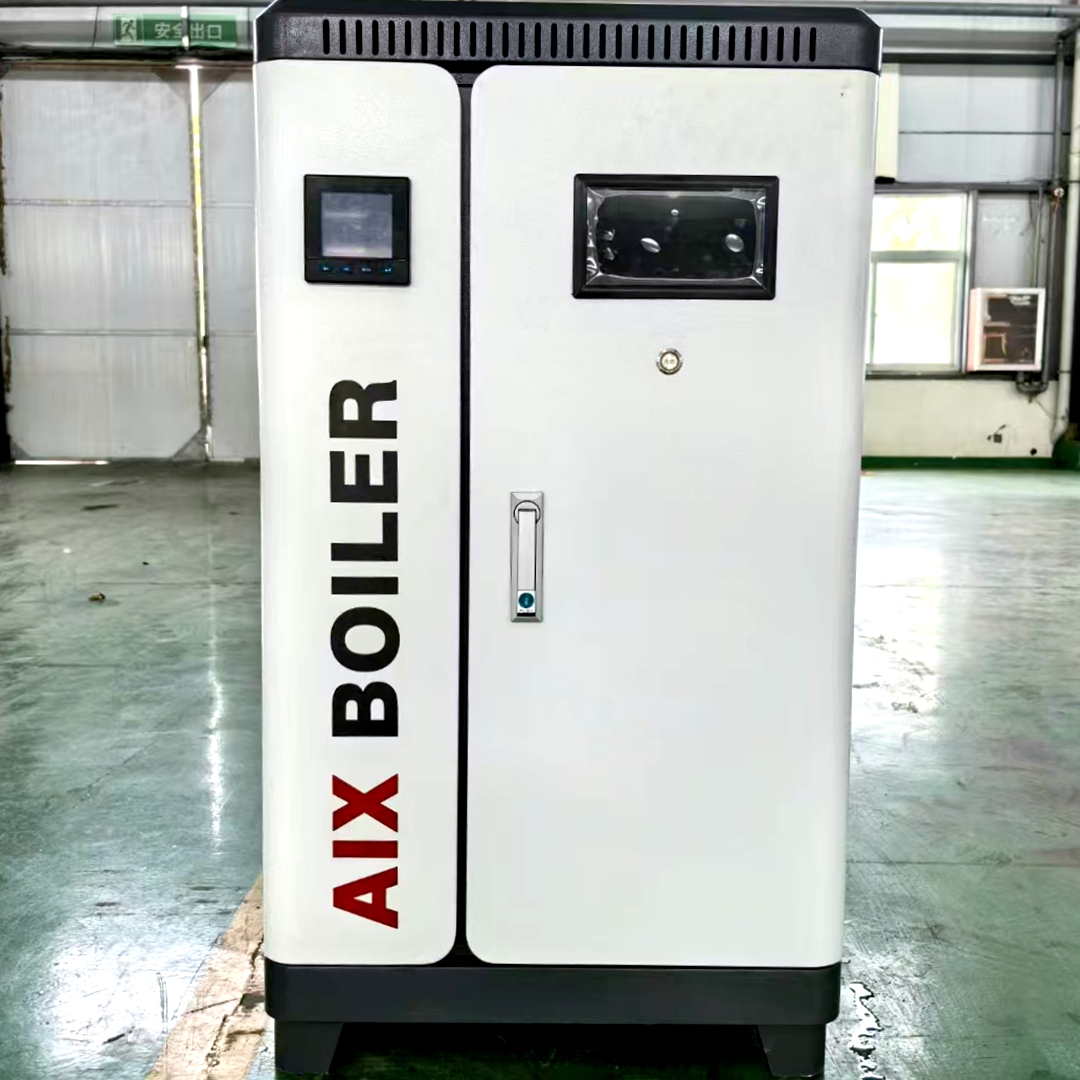
Conclusion
Industrial electric boilers serve you in multiple ways. They provide the required efficiency, along with zero emissions and minimal maintenance. However, it is important to consider several factors and not believe all the claims made by manufacturers. For example, remember that commercial electric boilers require maintenance and their efficiency is less than 100%.
When purchasing boilers, it is crucial to consider trustworthy manufacturers with honest claims. Contact us for the best commercial electric boilers and customer service. Don't miss the opportunity to revolutionize your heating system - order your preferred boiler today!
Add New Comment