 English
 العربية
 中文語言
中文語言
 हिंदी भाषा
 हespañol
 русский
 Português
 Le français
 Deutsch
 ภาษาไทย
 Português

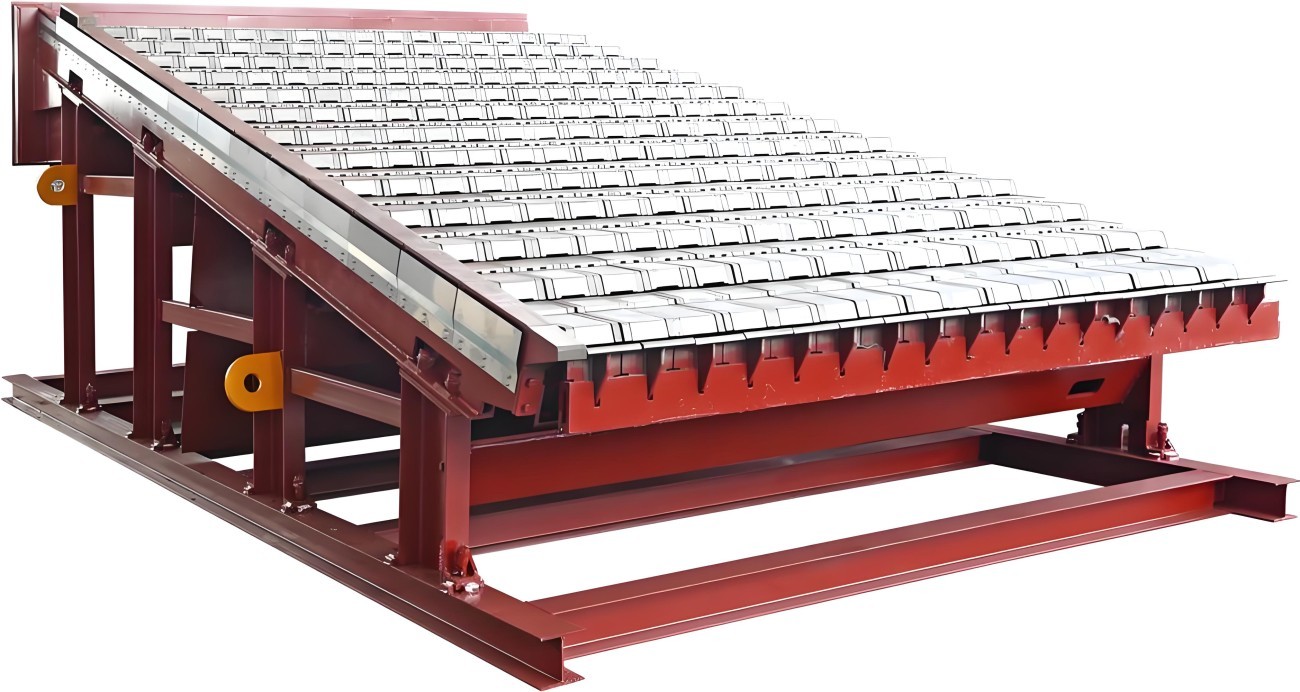
Biomass Grate Types and Their Application Differences-A Comprehensive Guide
In the realm of renewable energy, biomass combustion stands out as a vital solution for reducing reliance on fossil fuels. At the core of any efficient biomass combustion system lies the biomass grate—a component that plays a pivotal role in supporting fuel, facilitating air distribution, and ensuring optimal combustion. However, not all biomass grates are created equal. The type of grate you choose directly impacts the system’s efficiency, fuel compatibility, and maintenance requirements. In this blog, we’ll break down the most common biomass grate types, their unique characteristics, and how to select the right one for your specific application.
1. Fixed Grates: Simple, Cost-Effective, and Ideal for Small-Scale Use
Key Characteristics
Fixed grates, as the name suggests, are stationary surfaces typically made of cast iron, steel bars, or refractory materials. They feature a grid-like structure with gaps (known as “air slots”) that allow primary air to flow upward into the biomass fuel bed. Unlike moving grates, fixed grates do not have mechanical components to agitate or transport fuel—combustion relies on natural fuel movement (e.g., gravity feeding) and manual or automated ash removal.
Advantages
- Low cost: Minimal mechanical parts reduce manufacturing and installation expenses.
- Easy maintenance: Fewer moving components mean fewer breakdowns and simpler repairs.
- Compact design: Suitable for small-scale systems where space is limited.
Limitations
- Poor fuel flexibility: Works best with uniform, low-moisture biomass (e.g., dry wood chips, pellets) to prevent clumping or “bridging” (fuel getting stuck and blocking air flow).
- Inefficient ash removal: Ash accumulates on the grate surface, requiring frequent manual cleaning (or automated scrapers for larger models), which can interrupt combustion.
- Lower combustion efficiency: Static fuel beds may lead to uneven air distribution, resulting in incomplete combustion and higher emissions.
Ideal Applications
Fixed grates are perfect for small-scale residential or commercial systems with low heat demand, such as:
- Small biomass stoves for home heating.
- Compact boilers for small workshops or greenhouses.
- Batch-fed systems that use dry, uniform biomass (e.g., wood pellets, small wood chips).
2. Moving Grates: High Efficiency for Large-Scale, Variable Fuel Use
Moving grates (also called “traveling grates”) are mechanical systems that transport biomass fuel through the combustion chamber via a moving belt or chain. They are designed to handle high fuel loads, automate fuel feeding and ash removal, and ensure consistent combustion—making them ideal for large-scale industrial or utility-grade biomass plants.
Common Subtypes and Their Differences
Moving grates are further categorized based on their design and movement mechanism, each suited to specific fuel types and operational needs:
A. Chain Grates
- Design: Consist of interconnected metal chains with grate bars attached. The chains move slowly (typically 0.1–0.5 m/min) to carry fuel from the feed hopper to the ash discharge end.
- Air Distribution: Primary air is supplied through the gaps between grate bars, with adjustable air zones to optimize combustion in different stages (drying, pyrolysis, combustion, burnout).
- Fuel Compatibility: Handles a wide range of biomass, including wood chips, sawdust, agricultural residues (e.g., straw, corn stover), and even some mixed fuels. Performs best with medium-moisture biomass (15–30% moisture content).
- Best For: Medium to large-scale boilers (5–50 MW) in industries like paper mills, district heating, or power generation.
B. Step Grates
- Design: Feature a series of overlapping, stationary “steps” arranged in a downward slope. Fuel moves downward from one step to the next via gravity, while secondary air is injected between steps to enhance mixing.
- Air Distribution: Primary air flows through the bottom of each step, and secondary air is added above the fuel bed to promote complete combustion of volatile gases.
- Fuel Compatibility: Excels with high-moisture biomass (25–40% moisture content) and bulky fuels (e.g., large wood logs, forest residues). The stepped design allows for longer residence time, which aids in drying wet fuel.
- Best For: Large-scale industrial boilers (20–100 MW) and waste-to-energy plants that process high-moisture or irregularly shaped biomass.
C. Vibrating Grates
- Design: Use vibration (instead of a moving chain) to transport fuel across a sloped grate surface. The vibration frequency and amplitude are adjustable to control fuel movement speed.
- Air Distribution: Air slots in the grate bars provide primary air, and the vibration helps break up clumps, ensuring uniform air flow.
- Fuel Compatibility: Ideal for sticky or high-ash biomass (e.g., bagasse, rice husks) that might clog chain grates. The vibration prevents fuel buildup and promotes ash separation.
- Best For: Small to medium-scale systems (2–20 MW) in agricultural industries (e.g., sugar mills using bagasse) or regions with access to high-ash biomass.
Advantages of Moving Grates
- High fuel flexibility: Handles variable fuel types, moisture levels, and particle sizes.
- Automated operation: Reduces labor costs by automating fuel feeding and ash removal.
- Superior combustion efficiency: Uniform air distribution and controlled fuel residence time minimize incomplete combustion and emissions.
Limitations
- Higher cost: Complex mechanical components increase upfront and maintenance costs.
- Space requirements: Larger footprint compared to fixed grates, making them unsuitable for small-scale systems.
- Mechanical wear: Moving parts (chains, motors, bearings) require regular inspection and replacement.
3. Fluidized Bed Grates: Ultra-Efficient for Fine Biomass and High Combustion Temperatures
Fluidized bed grates (or “fluidized bed combustors”) represent a more advanced technology that uses a bed of inert particles (e.g., sand, alumina) to “fluidize” biomass fuel. Compressed air is blown upward through the grate at high velocity, causing the particle bed to behave like a liquid—mixing thoroughly with fuel and ensuring near-complete combustion.
Key Characteristics
- Grate Design: Typically a perforated metal plate or refractory-lined bed that supports the inert particle bed. The grate’s holes are sized to prevent particle leakage while allowing air to pass through.
- Combustion Process: Biomass fuel (usually fine particles like sawdust, 煤粉,or agricultural fines) is injected into the fluidized bed. The intense mixing and high temperatures (800–950°C) ensure rapid, complete combustion.
- Emission Control: The low combustion temperature (compared to conventional grates) reduces nitrogen oxide (NOₓ) emissions, and the fluidized bed can capture sulfur dioxide (SO₂) using additives like limestone.
Advantages
- Exceptional combustion efficiency: Up to 95–98% efficiency due to thorough fuel-air mixing.
- Fuel versatility: Handles fine, high-moisture, or high-ash biomass (e.g., sawdust, rice husks, biomass fines).
- Low emissions: Reduces NOₓ and SO₂ without complex post-combustion equipment.
Limitations
- High energy consumption: Requires significant air pressure to fluidize the bed, increasing energy costs.
- Fine fuel requirement: Not suitable for large or bulky biomass (e.g., wood logs) that cannot mix with the fluidized bed.
- High maintenance: The fluidized bed and air distribution system require regular cleaning to prevent particle buildup.
Ideal Applications
Fluidized bed grates are used in large-scale utility plants and industrial facilities that prioritize efficiency and low emissions, such as:
- Biomass power plants (50–200 MW) feeding on fine biomass residues.
- Industrial boilers in the food processing or pulp and paper industries that use sawdust or bagasse fines.
How to Choose the Right Biomass Grate: Key Selection Factors
Selecting the optimal biomass grate depends on four critical factors:
1. Fuel Characteristics
- Type: Dry, uniform fuel (e.g., pellets) → Fixed grate. Variable or bulky fuel (e.g., wood chips, straw) → Moving grate. Fine fuel (e.g., sawdust) → Fluidized bed grate.
- Moisture Content: Low moisture (≤15%) → Fixed grate. Medium to high moisture (15–40%) → Moving grate (step or chain). Very high moisture (>40%) → Step grate.
- Ash Content: Low ash → Fixed or chain grate. High ash → Vibrating or fluidized bed grate.
2. System Scale
- Small-scale (≤5 MW): Fixed grate (residential, small commercial).
- Medium-scale (5–50 MW): Chain or vibrating grate (industrial boilers, district heating).
- Large-scale (>50 MW): Step grate or fluidized bed grate (utility power plants, waste-to-energy facilities).
3. Operational Goals
- Low cost & simplicity: Fixed grate.
- Automation & high efficiency: Moving grate.
- Ultra-high efficiency & low emissions: Fluidized bed grate.
4. Maintenance Capacity
- Limited maintenance resources: Fixed grate (fewer moving parts).
- Dedicated maintenance team: Moving or fluidized bed grate (complex components).
Final Thoughts
Biomass grates are the unsung heroes of efficient biomass combustion, and choosing the right type is critical to maximizing energy output, minimizing costs, and reducing environmental impact. Whether you’re heating a home with wood pellets or powering a city with forest residues, understanding the differences between fixed, moving, and fluidized bed grates will help you make an informed decision.
If you’re still unsure which grate type is best for your project, consider consulting a biomass system engineer—they can analyze your fuel supply, energy needs, and budget to recommend a tailored solution. With the right grate, you’ll unlock the full potential of biomass as a clean, renewable energy source.
Add New Comment