 English
 العربية
 中文語言
中文語言
 हिंदी भाषा
 हespañol
 русский
 Português
 Le français
 Deutsch
 ภาษาไทย
 Português

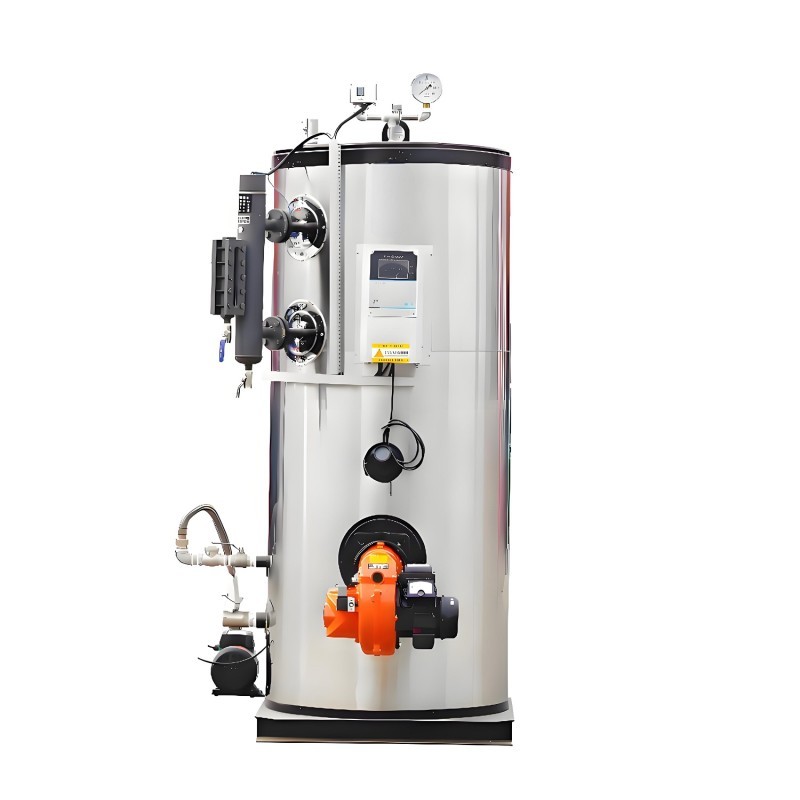
10 Practical Tips for Boiler Maintenance
Maintaining your boiler is crucial for ensuring efficiency, safety, and longevity. A well-maintained boiler can save energy costs and prevent unexpected breakdowns. Here are 10 practical tips to keep your boiler in top condition.
1. Schedule Regular Professional Inspections
Arrange for a licensed technician to inspect your boiler annually. They can identify potential issues, check for leaks, and ensure all components are functioning correctly. Regular inspections help catch problems early, avoiding costly repairs.
2. Monitor Boiler Pressure
Check the boiler’s pressure gauge regularly to ensure it’s within the manufacturer’s recommended range (typically 1–2 bars for residential systems). Low or high pressure can indicate issues like leaks or blockages. Consult a professional if readings are consistently off.
3. Bleed Radiators to Remove Air
Trapped air in radiators can reduce heating efficiency. Use a radiator key to bleed radiators annually or when they feel cold at the top. Place a cloth or container under the valve to catch water and release air until a steady stream flows.
4. Keep the Boiler Area Clear
Ensure the area around the boiler is free of clutter, dust, and flammable materials. Proper ventilation is essential for safe operation. A clean environment also makes it easier to spot leaks or other issues during visual checks.
5. Check for Leaks and Corrosion
Inspect pipes, valves, and fittings for signs of leaks or corrosion. Even small drips can lead to water loss or damage over time. Address any signs of rust or water stains immediately to prevent system failure.
6. Maintain Water Quality
Poor water quality can cause scale buildup or corrosion inside the boiler. Use a water softener if you live in a hard water area, and consider adding a system inhibitor to protect against corrosion. Test water quality during annual maintenance.
7. Insulate Pipes to Prevent Heat Loss
Insulate exposed pipes to reduce heat loss and improve energy efficiency. Foam pipe insulation is affordable and easy to install. Insulated pipes also reduce the risk of freezing in cold climates, preventing costly damage.
8. Listen for Unusual Noises
Pay attention to any strange noises, such as banging, whistling, or gurgling, which could indicate air in the system, low water pressure, or a failing component. Contact a technician if you hear persistent or loud noises.
9. Test Safety Features
Regularly test the boiler’s safety features, such as the pressure relief valve and thermostat. These components are critical for preventing overheating or excessive pressure buildup. Follow the manufacturer’s instructions or consult a professional.
10. Flush the System Periodically
Over time, sludge and debris can accumulate in the boiler and radiators, reducing efficiency. Schedule a power flush every 5–10 years or when heating performance declines. A professional can perform this to restore optimal function.
By following these tips, you can extend your boiler’s lifespan, improve efficiency, and ensure a warm, safe home. Always consult a qualified technician for complex issues or repairs to maintain safety and compliance with regulations.
Add New Comment